Dakshinkali Temple
Blood and devotion flow together at Nepal's most powerful Kali shrine
Pharping, Bagmati Province, Nepal
At A Glance
- Coordinates
- 27.6098, 85.2645
- Suggested Duration
- Two to three hours including travel from Kathmandu.
- Access
- Located 22 km south of Kathmandu, approximately one hour by taxi. The temple sits near Pharping village; combining visits to Dakshinkali and Pharping's Buddhist sites (Asura and Yanglesho caves) is common.
Pilgrim Tips
- Located 22 km south of Kathmandu, approximately one hour by taxi. The temple sits near Pharping village; combining visits to Dakshinkali and Pharping's Buddhist sites (Asura and Yanglesho caves) is common.
- Modest dress appropriate for a religious site.
- Strictly prohibited inside the main temple premises.
- Animal sacrifice may be profoundly disturbing to unprepared visitors. If you are committed to animal rights, this is not a comfortable site; consider whether attending serves any purpose beyond distress. If you do attend, respect the devotees whose practice you are witnessing.
Overview
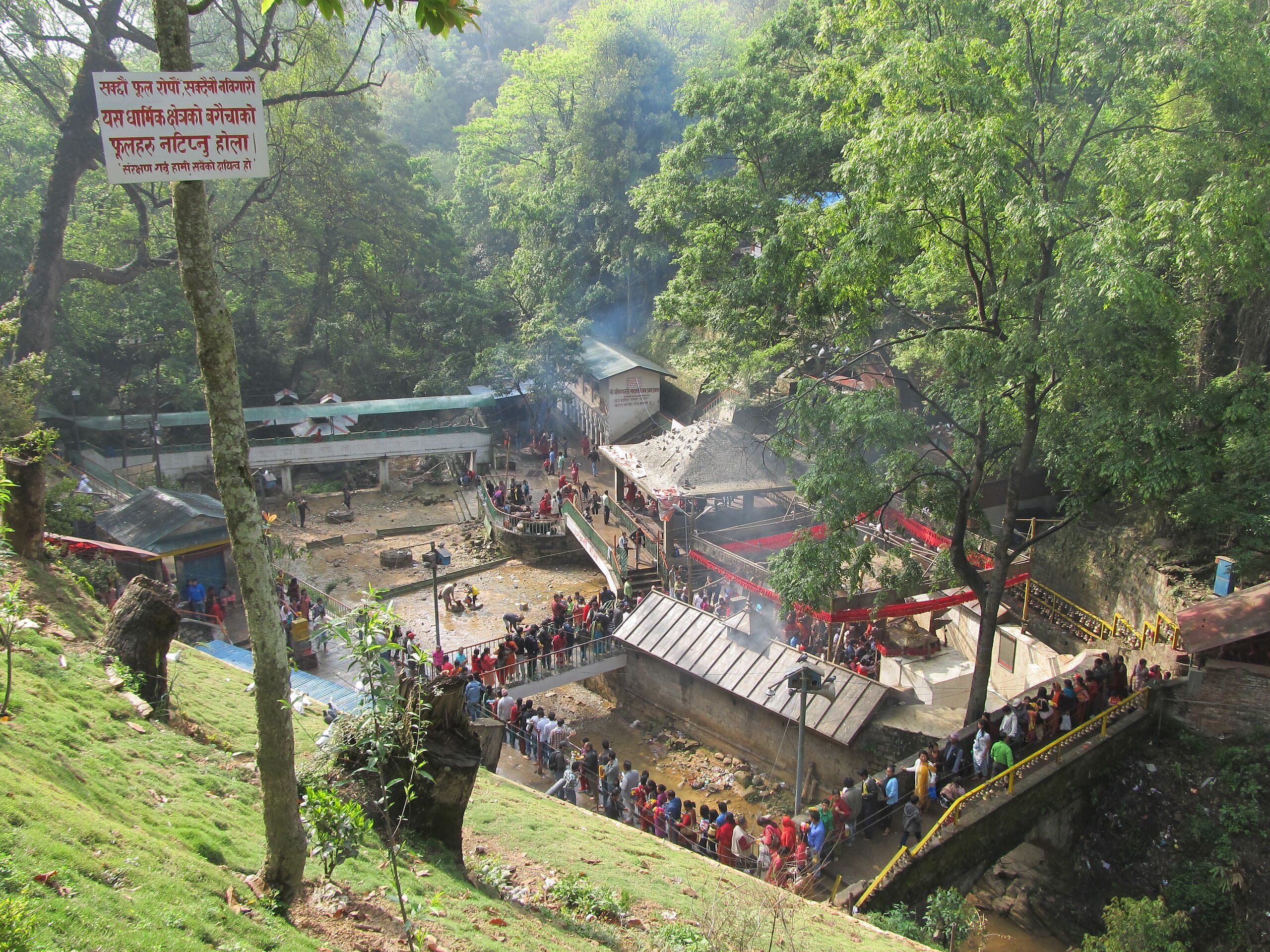
In a forested ravine where two sacred streams meet, Dakshinkali Temple draws thousands of devotees to worship the fierce goddess in her most primal form. Every Saturday and Tuesday, and especially during Dashain, animal sacrifices restore the ancient contract between goddess and devotee. The blood-soaked stones, the forest setting, the intensity of worship—Dakshinkali strips away religious abstraction to reveal devotion in its most visceral expression. The site is not for everyone, but those who can approach with openness encounter something rarely found in modern religion.
The path descends into a rocky cleft where two streams converge, their meeting point marking the precise location of the goddess's shrine. The setting is primal: water, rock, forest, and at the center, the black stone image of Kali adorned with gold and silver, receiving the offerings that have sustained her since the 17th century.
Dakshinkali means 'Southern Kali'—the goddess in her southward-facing, benevolent manifestation. This Kali is not destroyer but protector, fierce not from malice but from the intensity of her love for her devotees. She destroys obstacles, not people. The blood offerings that define her worship represent the devotee's surrender of the animal self, the ego laid on the altar of transformation.
This understanding may or may not reach visitors watching roosters and goats sacrificed on the stones. What is undeniable is the devotion. Families who have traveled hours arrive with their animals, pray with intensity, and depart with the certainty that the goddess has heard them. The blood flows, the meat goes home for cooking, and the cycle continues as it has for centuries.
Context And Lineage
King Pratap Malla established the temple in the 17th century following a dream in which Kali instructed him to build a shrine where two streams meet.
In the 17th century, King Pratap Malla—a powerful ruler of the Malla dynasty in Kathmandu—received a visitation from the goddess Kali in a dream. She instructed him to build a shrine at the confluence of two sacred streams in the valley south of his kingdom.
The king obeyed. At the meeting point of the waters, in a rocky cleft in the forest, the shrine was established. Kali took up residence in her southern, benevolent manifestation—fierce protector rather than destroyer. The site was named Dakshinkali: Dakshin (south) + Kali.
Dakshinkali belongs to the Shakti tradition—worship of the divine feminine as ultimate power. Within this tradition, Kali represents the fierce aspect of the goddess: death-dealer and liberator, destroyer of ignorance, severer of attachments.
King Pratap Malla
17th-century Kathmandu ruler who established the temple following a divine dream
Why This Place Is Sacred
The confluence of streams creates a natural threshold; the primal nature of the worship—blood, prayer, sacrifice—strips away ordinary consciousness; and 400 years of accumulated devotion saturate the site.
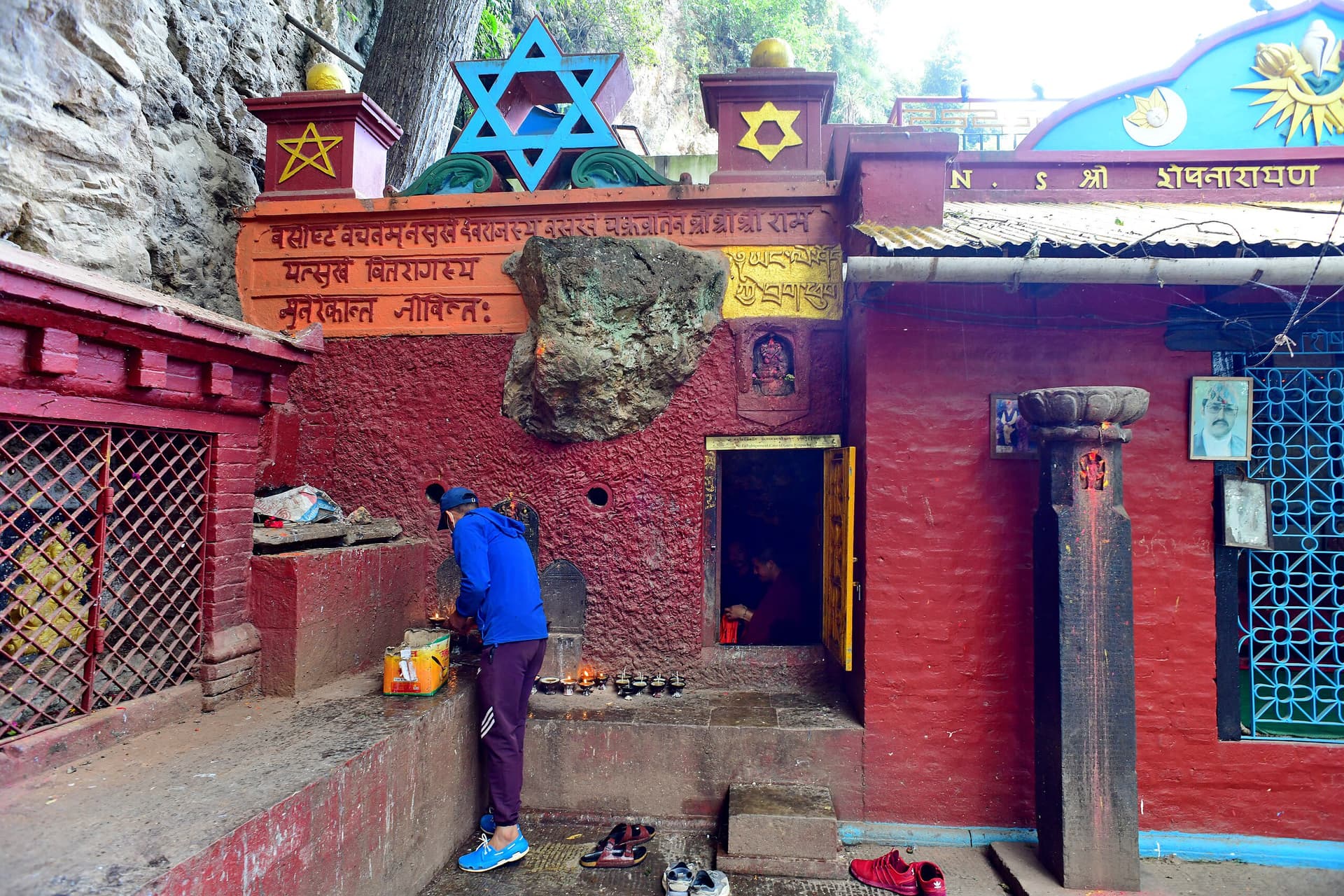
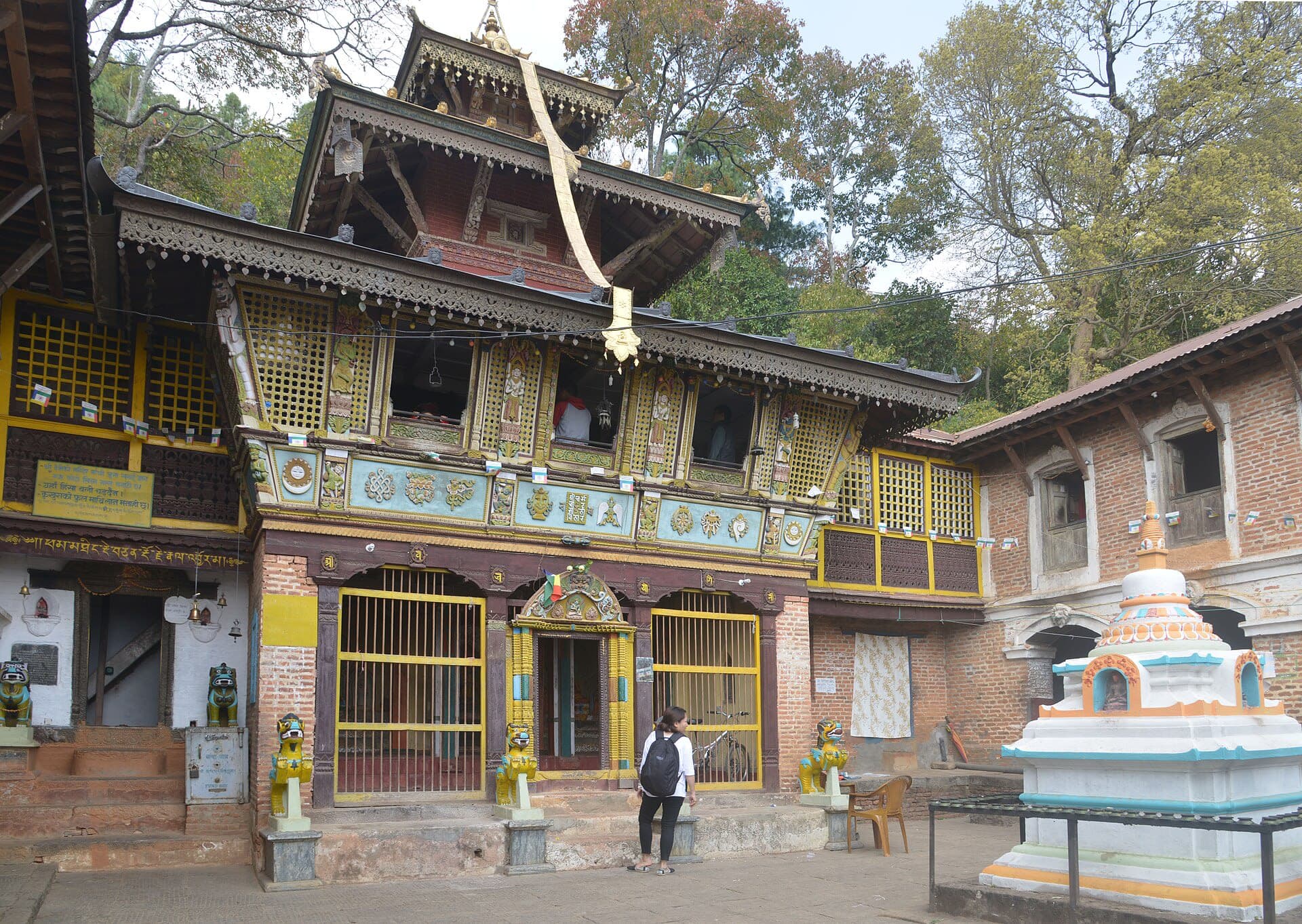
Dakshinkali's thin-place quality derives from its rawness. The refined temple architecture found elsewhere in Nepal is absent here; the goddess dwells in an outdoor shrine roofed only by chains and posts. The elements are present and unmediated: earth, water, stone, sky, and blood.
The confluence of two streams marks a threshold in sacred geography traditions worldwide. Where waters meet, the veil between worlds thins. The rocky cleft amplifies this threshold quality—one descends into a space set apart from the ordinary landscape.
The sacrifices add a dimension unavailable at temples where worship has been sanitized. Whatever one's position on animal sacrifice, witnessing it strips away comforting abstractions about religion. Something dies so the goddess may live. The transaction is ancient, predating philosophical nicety. For devotees, this is not primitive but profound: real offering, real surrender, real result.
The temple was established at the direction of King Pratap Malla, who dreamed of Kali instructing him to build a shrine at this confluence.
The temple has maintained traditional practices including animal sacrifice despite modernizing pressures. The surrounding forest and rocky setting remain relatively unchanged.
Traditions And Practice
Animal sacrifice is the primary form of worship, performed especially on Saturdays and Tuesdays. The goddess receives blood offerings; the meat returns home with the devotee's family.
The central practice at Dakshinkali is blood sacrifice. Devotees bring roosters, pigeons, or goats (typically uncastrated males), make prayers, and present the animal to the goddess. Temple butchers perform the sacrifice efficiently. The blood is offered; the meat belongs to the devotee.
This practice follows an ancient understanding of sacrifice as reciprocal exchange. The devotee gives something of value—not just money but life itself, represented by the animal. The goddess receives this offering and responds with protection, blessing, and wish-fulfillment. The cycle is transactional but not merely commercial; genuine devotion underlies the exchange.
The practice continues unchanged despite modernizing pressures elsewhere. Animal rights concerns have not altered the temple's function. For traditional devotees, abolishing sacrifice would break the relationship with the goddess that defines the site.
Outside of sacrifice days, the temple receives quieter visitors—those seeking blessings without blood. The goddess is present either way.
Visitors who wish to understand traditional Shakti worship might time their visit for Saturday morning, accepting in advance that animal sacrifice will be present. Those who prefer to avoid witnessing sacrifice should visit on other days.
If attending on sacrifice days, arrive with openness rather than judgment. What you witness is not entertainment but living religion in its ancient form.
Hinduism (Shaktism)
ActiveOne of Nepal's most important Shakti shrines, where the goddess Kali receives blood offerings in her benevolent southern manifestation. Equal in religious significance to Pashupatinath and Manakamana.
Animal sacrifice (roosters, goats), blood offerings, worship of Kali, Dashain celebrations.
Experience And Perspectives
The descent into the ravine leads to an outdoor shrine where active worship—often including animal sacrifice—proceeds amid devotees' intense prayer. The scene can be challenging for unprepared visitors.
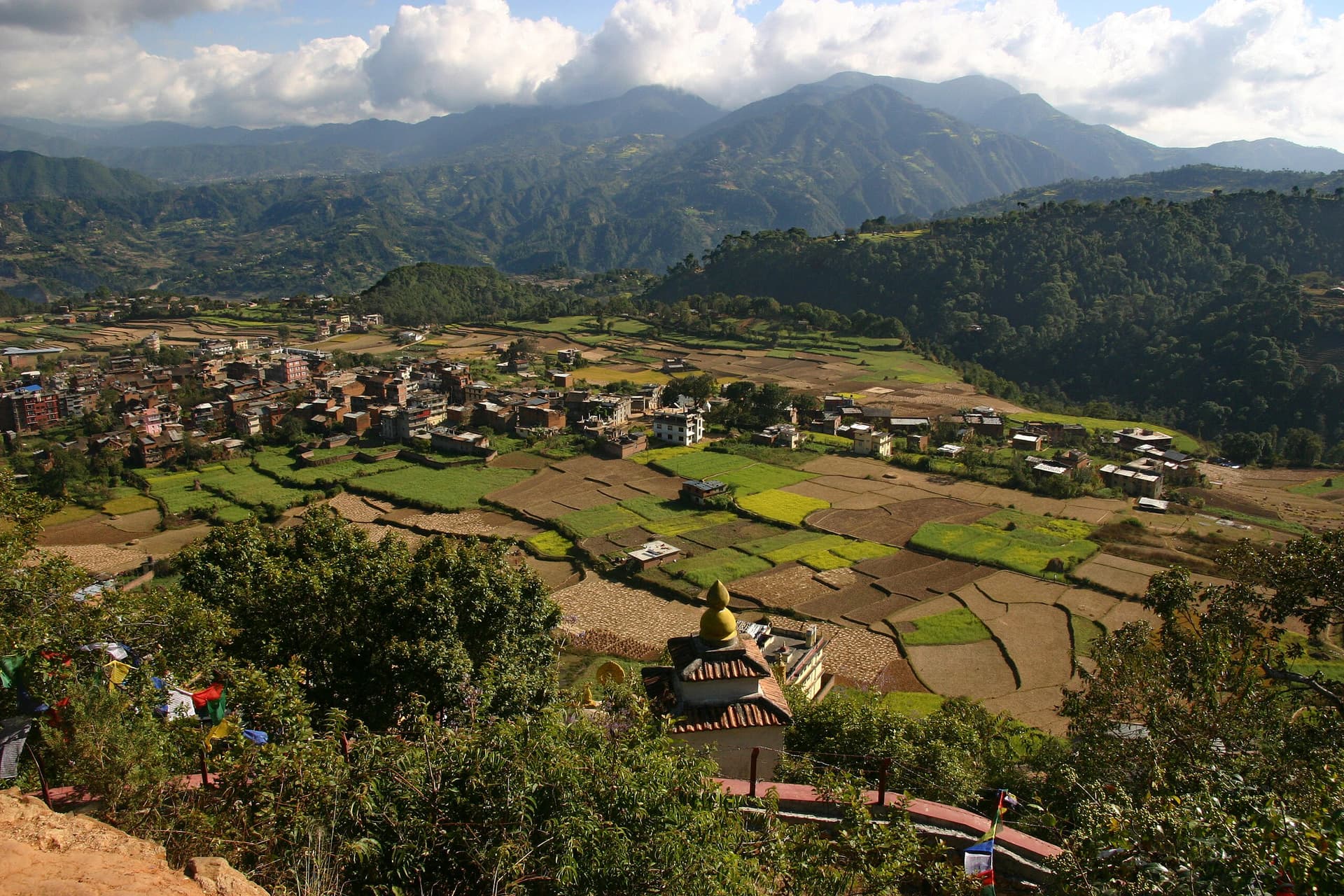
The drive to Dakshinkali winds through forest and terraced fields before the road descends into the valley. Vendors line the approach, selling flowers, vermillion, and animals for sacrifice—roosters, pigeons, and goats of various sizes. The commercial bustle gives way to the shrine area proper.
The path down into the ravine begins the transition. The forest closes in, the streams become audible, and the shrine appears—not a building but an open-air structure where the black stone goddess receives her devotees.
What happens next depends entirely on timing. On quiet days—most of the week—Dakshinkali is a forested shrine of unusual beauty, water flowing around the sacred site. But on Saturdays and Tuesdays, and especially during Dashain, blood flows as well. Devotees bring their animals, make their prayers, and the sacrifices proceed with professional efficiency.
Visitors without exposure to animal sacrifice may find the scene disturbing. Blood on stone, severed heads, the cries of animals—this is not symbolic worship but embodied transaction. Those who remain discover something powerful in the devotion itself: the intensity of prayer, the trust in the goddess's response, the ancient pattern continuing without apology.
After the sacrifices, families often picnic in the surrounding forest, cooking the meat that was offered. The atmosphere shifts from intensity to celebration. The goddess has been fed; the devotees feed themselves.
The temple sits in a ravine at the confluence of two streams, approximately 22 km south of Kathmandu and 1 km south of Pharping village. Access is via descending path from the parking area. The main shrine is outdoors.
Dakshinkali brings into focus uncomfortable questions about religion, sacrifice, and the relationship between ancient practice and modern sensibility.
Anthropologists study Dakshinkali as a site where pre-modern religious practice continues relatively unchanged. The animal sacrifices follow patterns documented across cultures and eras, representing a form of worship that the axial age religions partially supplanted but never entirely eliminated.
Within Shakti tradition, Dakshinkali's sacrifices embody the deepest truth about existence: life feeds on life. The goddess receives blood because blood is life, and all life ultimately belongs to her. The devotee who offers an animal surrenders the illusion of ownership, acknowledging that all creation, including the devotee's own life, flows from and returns to the goddess.
Visit Planning
Located 22 km south of Kathmandu, near Pharping. Saturdays and Tuesdays are main sacrifice days; other days offer quieter visits.
Located 22 km south of Kathmandu, approximately one hour by taxi. The temple sits near Pharping village; combining visits to Dakshinkali and Pharping's Buddhist sites (Asura and Yanglesho caves) is common.
Day trip from Kathmandu. Some visitors combine with Pharping visit for half-day or full-day excursion.
Non-Hindus may not enter the inner sanctum but can observe from surrounding areas. Photography is strictly prohibited inside the temple premises.
Dakshinkali maintains distinctions between devotees and observers. The inner temple area is restricted to Hindus; non-Hindus observe from designated areas. This boundary preserves the ritual space for its intended function.
Photography is strictly prohibited inside the temple premises. This restriction deserves respect; the sacrifices are not performances for documentation.
Dress modestly. Maintain quiet respect for the devotion you are witnessing. The sacrifices may seem foreign, but the devotees are engaged in serious religious practice.
Modest dress appropriate for a religious site.
Strictly prohibited inside the main temple premises.
Animals, flowers, and vermillion for sacrifice available at vendors near the entrance. Making offerings of flowers (without animal sacrifice) is possible.
{"Inner sanctum restricted to Hindus","No photography in temple premises","Respect ongoing worship"}
Sacred Cluster
Nearby sacred places create the location cluster described in the growth plan. This block is intentionally crawlable and links into the wider regional graph.