Black Madonna of Loretto Burgenland
A Black Madonna older than her Italian original, tested by fire and venerated through plague
Loretto, Burgenland, Austria
At A Glance
- Coordinates
- 47.9155, 16.5180
- Suggested Duration
- Twenty to forty minutes allows meaningful time before the Black Madonna. Longer visits can incorporate the main basilica and the grounds.
- Access
- The Basilica Maria Loretto is located in the village of Loretto in Burgenland, eastern Austria. The village is approximately 50 kilometers southeast of Vienna. Access is primarily by car; limited public transport is available.
Pilgrim Tips
- The Basilica Maria Loretto is located in the village of Loretto in Burgenland, eastern Austria. The village is approximately 50 kilometers southeast of Vienna. Access is primarily by car; limited public transport is available.
- Modest attire appropriate for a church. Shoulders and knees covered. No hats for men inside the chapel.
- Exercise discretion, particularly in the Grace Chapel. The intimate space makes photography intrusive. If you photograph, do so quietly and quickly, without flash, and not while others are praying.
Overview
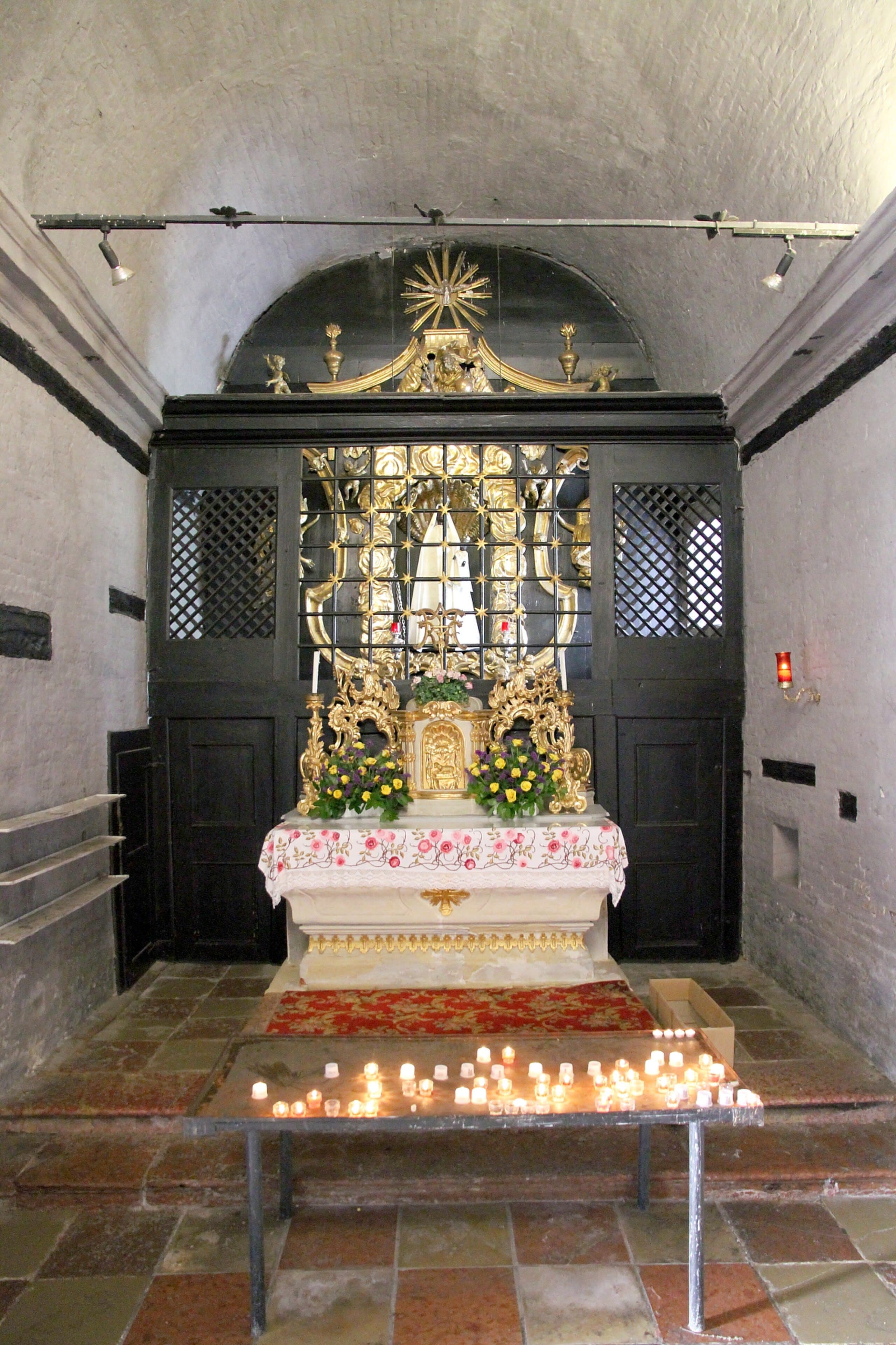
In the Austrian village that took its name from Loreto, a 1644 replica of the famous Black Madonna has outlasted the Italian original. Hidden at Forchtenstein Castle when Ottoman forces burned the church, this darkened mother and child emerged from catastrophe to become a protectress venerated by pilgrims facing their own trials.
Some copies outlive their originals. The Black Madonna of Loretto Burgenland was commissioned in 1644 by a nobleman moved by his pilgrimage to the famous Loreto shrine in Italy. He built a chapel, installed the replica, and in doing so began something that would outlast both him and the image he sought to honor.
In 1683, when Ottoman armies swept toward Vienna, the church was burned to ash. But the Madonna had been carried to safety at Forchtenstein Castle. When pilgrims returned to rebuild, they found the statue waiting. She had survived destruction that consumed everything around her. Thirty years later, when plague swept the region, they turned to her again.
The Italian original she was modeled after is gone now, stolen, returned, then destroyed in a 1921 fire. The Vatican commissioned a replacement. But the Burgenland copy, dark and worn, predates that replacement by nearly three centuries. What was once a devotional replica has become something closer to the source.
Approximately 100,000 pilgrims visit each year. They come to the Grace Chapel where she stands, this figure who witnessed Ottoman fires and Habsburg prayers and plague-year desperation. Her darkness invites contemplation of what survives.
Context And Lineage
The Black Madonna of Loretto Burgenland was commissioned in 1644 by Rudolf von Stotzingen after his pilgrimage to Loreto, Italy. The statue survived the 1683 Ottoman destruction by being hidden at Forchtenstein Castle, then became a focal point for plague pilgrimages in 1713. The village itself took its name from the devotion, becoming Loretto.
Rudolf von Stotzingen, feudal lord of Hornstein, traveled to the famous Loreto shrine in Italy and encountered something that demanded replication. He commissioned a faithful copy of the Black Madonna and built a chapel to house it. The statue arrived in 1644, the devotion took root, and the village that grew around the chapel eventually took its name from the Italian original.
This was not unusual for the era. Habsburg rulers promoted Loreto devotion across their territories as part of Counter-Reformation efforts to strengthen Catholic identity. What was unusual was what happened next. In 1683, the main Ottoman army marched toward Vienna. On July 13, Loretto burned. The church was destroyed.
But someone had thought to save the statue. It was carried to Forchtenstein Castle, the Esterhazy fortress that served as refuge for precious objects during the siege. When the Ottomans were finally turned back and pilgrims returned to rebuild, they found the Black Madonna waiting. The church could be replaced. What she represented had proven more durable.
The Loreto devotion stretches back to the medieval tradition of the Holy House, brought to Austria through Habsburg Counter-Reformation efforts. The Burgenland site represents one node in a network of Loreto copies across Central Europe. Yet its particular history of survival and protection has given it independent significance. The pilgrimage continues unbroken from the 17th century, sustained by Catholic Marian devotion and the particular claims this Madonna has accrued through crisis and endurance.
Rudolf von Stotzingen
historical
Feudal lord of Hornstein who commissioned the Black Madonna replica in 1644 after visiting Loreto, Italy, and built the original chapel that began the pilgrimage tradition.
Our Lady of Loreto
deity
The Marian title connected to the Holy House of Loreto, traditionally Mary's dwelling where the Annunciation occurred. The Burgenland Black Madonna is a replica of the Italian original, now carrying its own four centuries of devotion.
Why This Place Is Sacred
The Black Madonna's sacredness derives from her connection to the Holy House of Loreto, her survival through destruction that consumed the church around her, and her role as protectress during plague. As one of the oldest surviving Loreto copies, she preserves an image closer to the original than the current Italian replacement, becoming an unexpected link to devotional history.
The Loreto devotion carries a specific claim: that the statue resides in what remains of Mary's house from Nazareth, where the Annunciation occurred. According to tradition, the Holy House was miraculously transported to Loreto, Italy, in the 13th century. Copies spread across Catholic Europe, particularly in Habsburg territories during the Counter-Reformation, carrying that connection wherever they went.
What makes Burgenland's copy singular is accident transformed into providence. When Rudolf von Stotzingen commissioned his replica in 1644, he was creating one devotional image among many. Four decades later, when Ottoman forces burned his chapel, the statue's survival seemed to confirm something beyond human craft. The Madonna had been tested and found worthy.
The 1713 plague deepened this significance. Pilgrims seeking protection from pestilence found their prayers answered. The survival narrative expanded: she had weathered military destruction; now she guarded against invisible threat. Crisis after crisis, she remained.
Then came the irony that turned replica into something more. The Italian original was stolen by Napoleon's troops, returned, then consumed by fire in 1921. The Vatican carved a new one. But the Burgenland copy, untouched since 1644, now preserves features the Italian replacement cannot. The duplicate became more authentic than what it duplicated. This inversion gives the site a particular quality of thinness: connection to the original through survival rather than proximity.
Rudolf von Stotzingen commissioned the statue and built a Loreto Chapel after visiting the Italian shrine, intending to bring the devotion to his lands. The chapel and its image served the Counter-Reformation project of deepening Catholic piety in Habsburg territories. What began as one nobleman's devotional initiative created a pilgrimage tradition that would define an entire village.
The Grace Chapel was moved to its current location in 1659. The Ottoman destruction of 1683 and the statue's preservation transformed the site from local chapel to pilgrimage destination. The plague years of 1713 cemented the Madonna's role as protectress. When the church was elevated to a minor basilica, the Black Madonna remained central to its identity. Today, pilgrims visit for healing, protection, and encounter with a presence that has outlasted empires.
Traditions And Practice
Pilgrims venerate the Black Madonna through prayer, candle lighting, and petition for protection and healing. The site supports traditional Catholic devotional practices within an active worship context, with the Grace Chapel serving as the primary focus for personal encounter.
Veneration of the Black Madonna follows traditional Catholic Marian practice: prayer before the image, offerings of candles and thanksgiving, petition for intercession. The Madonna's particular history as protectress adds emphasis on prayers for protection during crisis, healing during illness, and guidance through trials. Major Marian feast days and the Feast of Our Lady of Loreto on December 10 intensify the devotional calendar.
Contemporary pilgrims continue the traditional practices. Many arrive with specific intentions, written or held silently. The intimate Grace Chapel supports personal prayer more readily than formal liturgical participation. Some visitors light candles, others simply sit. The devotion accommodates those seeking structured prayer and those seeking silent presence equally.
Enter the Grace Chapel when ready for encounter rather than observation. Sit if seats are available; stand if not. The Madonna has received centuries of petition. Add yours if you carry one, silently or aloud. If candles are available, consider lighting one as physical mark of intention. Before leaving, allow a moment of gratitude for what has survived here.
Roman Catholicism - Loreto Black Madonna Tradition
ActiveThe Burgenland Black Madonna represents one of the oldest surviving copies of the Loreto original, dating to 1644. Because the Italian original was destroyed in a 1921 fire and replaced with a Vatican-commissioned statue, this Austrian copy may preserve features closer to the original appearance than the current Italian image. The statue's survival through Ottoman destruction and its role as protectress during plague have given it independent significance within the Loreto tradition.
Veneration before the statue, pilgrimage, prayer for protection and healing, candle offerings, petition for intercession. The Feast of Our Lady of Loreto on December 10 is the principal feast day.
Counter-Reformation Marian Devotion
ActiveThe Habsburg Empire spread Loreto devotion across its territories as part of Counter-Reformation efforts to strengthen Catholic identity. Austria has numerous Loreto copies, but Burgenland's is singular in having created an entire village around the devotion. The site demonstrates how replicated sacred images could generate their own pilgrimage traditions, accumulating significance through local history rather than merely borrowing it from the original.
Pilgrimage, Marian devotion, prayer during times of crisis. The 1713 plague pilgrimages established a pattern of turning to the Madonna during collective threat that continues today.
Experience And Perspectives
The Black Madonna resides in the Grace Chapel, a space intimate enough to create personal encounter. Visitors describe the contrast between the modest chapel and the baroque grandeur of the main basilica, and the particular stillness that comes from addressing a figure who has witnessed four centuries of human petition.
The Grace Chapel offers something different from the main basilica. Where the larger church displays baroque ornament and ecclesiastical splendor, the chapel holds a single focus: the darkened figures of mother and child. The space is small enough that visitors find themselves in proximity rather than at distance.
Pilgrims describe the quality of prayer here as personal rather than formal. The Madonna's history infuses the encounter: you stand before an image that survived burning, that people turned to during plague, that has outlived the original it was meant to honor. This accumulated weight enters the experience, even for those who arrive knowing little of the background.
The darkness of the figures themselves invites contemplation. Black Madonnas across Europe have prompted interpretation for centuries. Whatever the original cause of the darkening, devotees have found meaning in it: the hidden aspects of divine mercy, solidarity with suffering, mystery that refuses easy access. Visitors frequently describe sitting with questions that resist answers and finding that acceptable here.
Those who come during times of personal crisis report feeling received. The Madonna's history of surviving destruction resonates with pilgrims navigating their own trials. Protection is the traditional petition, but presence may be the actual gift.
The Grace Chapel sits adjacent to the main basilica, where pilgrims typically enter first. Take time in the larger church if you wish, but know that the chapel holds the pilgrimage's center. Approach quietly. The modest scale rewards stillness over movement. If you carry a burden or question, this is the place to set it down, even silently, even without knowing what response looks like.
The Black Madonna of Loretto Burgenland invites interpretation from devotional, historical, and alternative viewpoints. Her significance for pilgrims, her role in Counter-Reformation history, and questions raised by Black Madonna scholarship all contribute to understanding what draws visitors here.
Historians situate the Burgenland Black Madonna within the broader context of Counter-Reformation devotional practice. The Habsburgs actively promoted Loreto veneration across their territories as a means of strengthening Catholic identity and allegiance. The creation of an entire village named after an Italian shrine demonstrates the effectiveness of this devotional colonization.
The statue's survival during the 1683 siege and its role during the 1713 plague illustrate how Marian devotion provided psychological and communal resilience during crisis. Religious practice gave communities frameworks for understanding catastrophe and rituals for collective response. The Black Madonna served these functions tangibly, becoming a focal point for fears and hopes that might otherwise have remained inchoate.
For Catholic pilgrims, the Black Madonna is an intercessor who has proven her power through centuries of protection. Her survival when the church burned was not accident but providence. Her role during plague was not psychological comfort but genuine protection extended through divine favor. The tradition does not require explanation; it requires faith and petition. Those who come seeking her intercession inherit a lineage of the faithful who came before, adding their prayers to an accumulated weight of devotion.
Scholars of Black Madonna veneration across Europe have noted connections between these dark images and pre-Christian traditions. The veneration of a black-faced mother figure has been interpreted as preserving earth-goddess worship within Catholic devotion, maintaining older feminine sacred presence through Marian form. This interpretation does not claim conscious syncretism but suggests that devotees respond to something in these images that predates or exceeds official theology.
The darkness itself invites reflection. Whether caused by candle smoke, age, deliberate design, or other factors, the blackness has accumulated meaning: mystery, the hidden face of mercy, solidarity with those who suffer, the sacred that refuses easy visibility.
The 2016 discovery of a desecrated statue buried beneath the altar suggests a more complex history of destruction and preservation than the official narrative captures. How many sacred objects were hidden during the 1683 siege and never recovered? What was buried and why? The village holds secrets that four centuries of pilgrimage have not fully revealed.
The statue's preservation while the church burned raises its own questions. Who made the decision to save it? How was it transported to Forchtenstein amid chaos? The answers are lost, leaving room for interpretation that pilgrims fill according to their faith.
Visit Planning
The Black Madonna is housed in the Grace Chapel at the Basilica Maria Loretto in Loretto, Burgenland, Austria. The site is accessible year-round, with the Feast of Our Lady of Loreto on December 10 being the most significant devotional day. Allow twenty to forty minutes for focused prayer at the statue.
The Basilica Maria Loretto is located in the village of Loretto in Burgenland, eastern Austria. The village is approximately 50 kilometers southeast of Vienna. Access is primarily by car; limited public transport is available.
Loretto is a small village with limited lodging. Nearby towns offer additional options, and Vienna provides extensive accommodation within an hour's drive.
The Grace Chapel and Basilica Maria Loretto are active sites of worship. Visitors should maintain reverent silence, dress modestly, and approach the Black Madonna with respect for the devotion she receives and the centuries of prayer she represents.
This is not a museum. The Black Madonna receives daily devotion from believers who consider her a living intercessor. Your presence is welcomed but not neutral. Move quietly, speak softly or not at all, and remain aware that others may be engaged in prayer of genuine urgency. The chapel's modest size makes disturbance particularly intrusive.
If you do not share the Catholic faith, you can still approach with respect. You need not pray to be present. Sitting in contemplative silence honors the space. What you cannot do is treat the site as backdrop for photography or tourism divorced from its meaning.
Modest attire appropriate for a church. Shoulders and knees covered. No hats for men inside the chapel.
Exercise discretion, particularly in the Grace Chapel. The intimate space makes photography intrusive. If you photograph, do so quietly and quickly, without flash, and not while others are praying.
Candles and prayer intentions are traditional. Do not leave objects at the statue.
Maintain reverent silence in the Grace Chapel. Follow any posted guidelines about access or behavior.
Sacred Cluster
Nearby sacred places create the location cluster described in the growth plan. This block is intentionally crawlable and links into the wider regional graph.
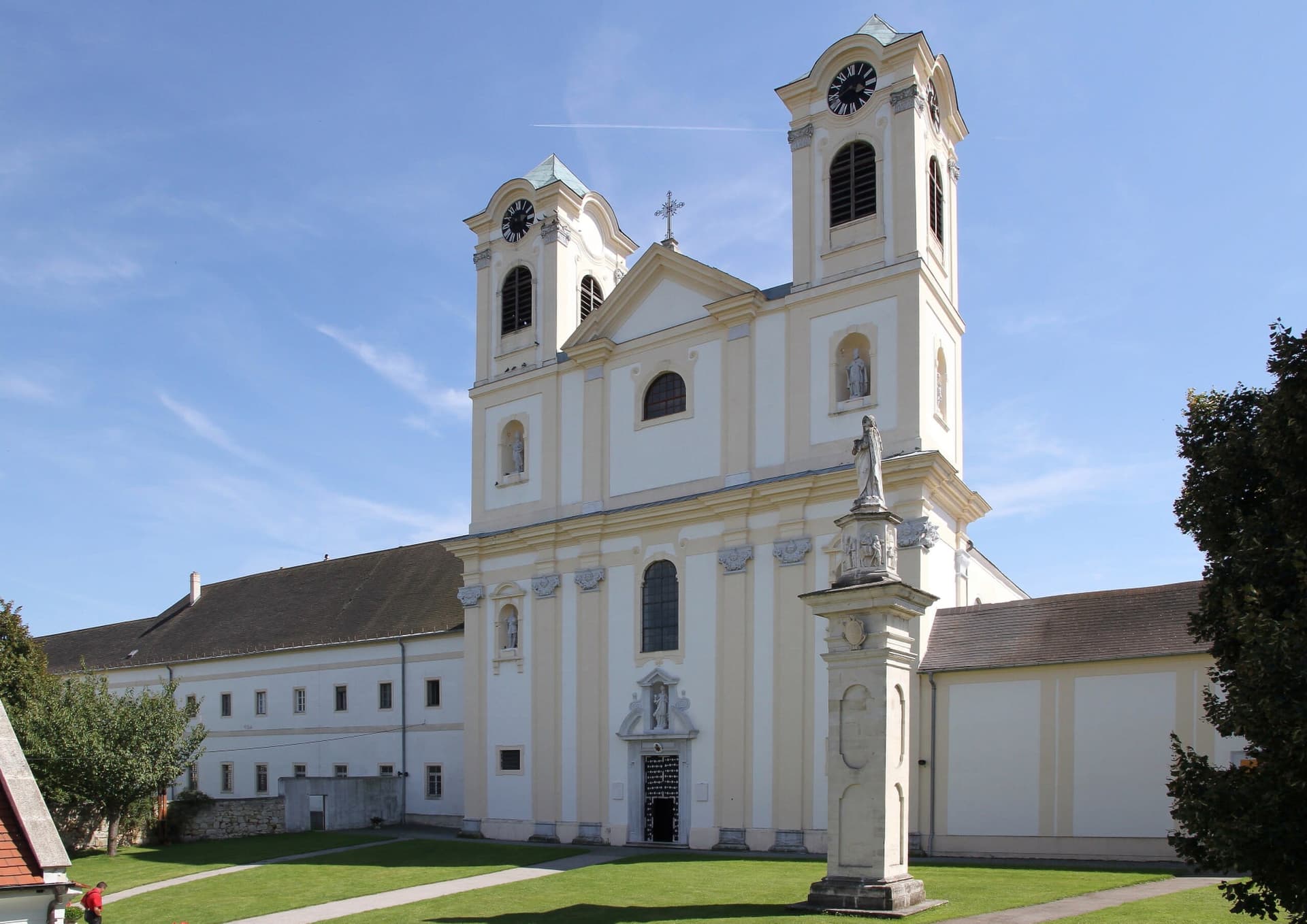
Basilica of Maria Loretto in Burgenland
Loretto, Burgenland, Austria
0.2 km away
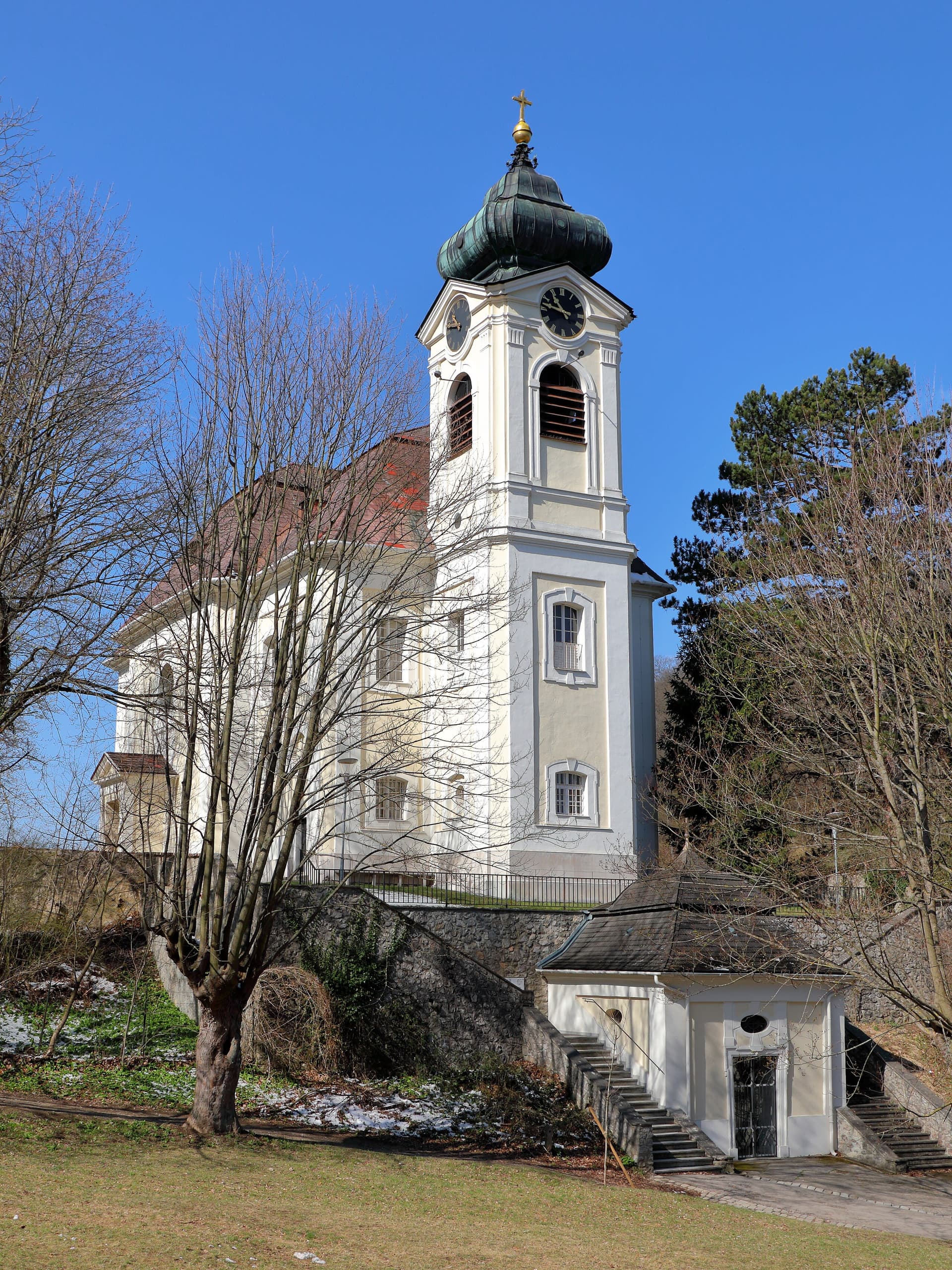
Black Madonna of Kaltenleutgeben
Kaltenleutgeben, Lower Austria, Austria
32.6 km away
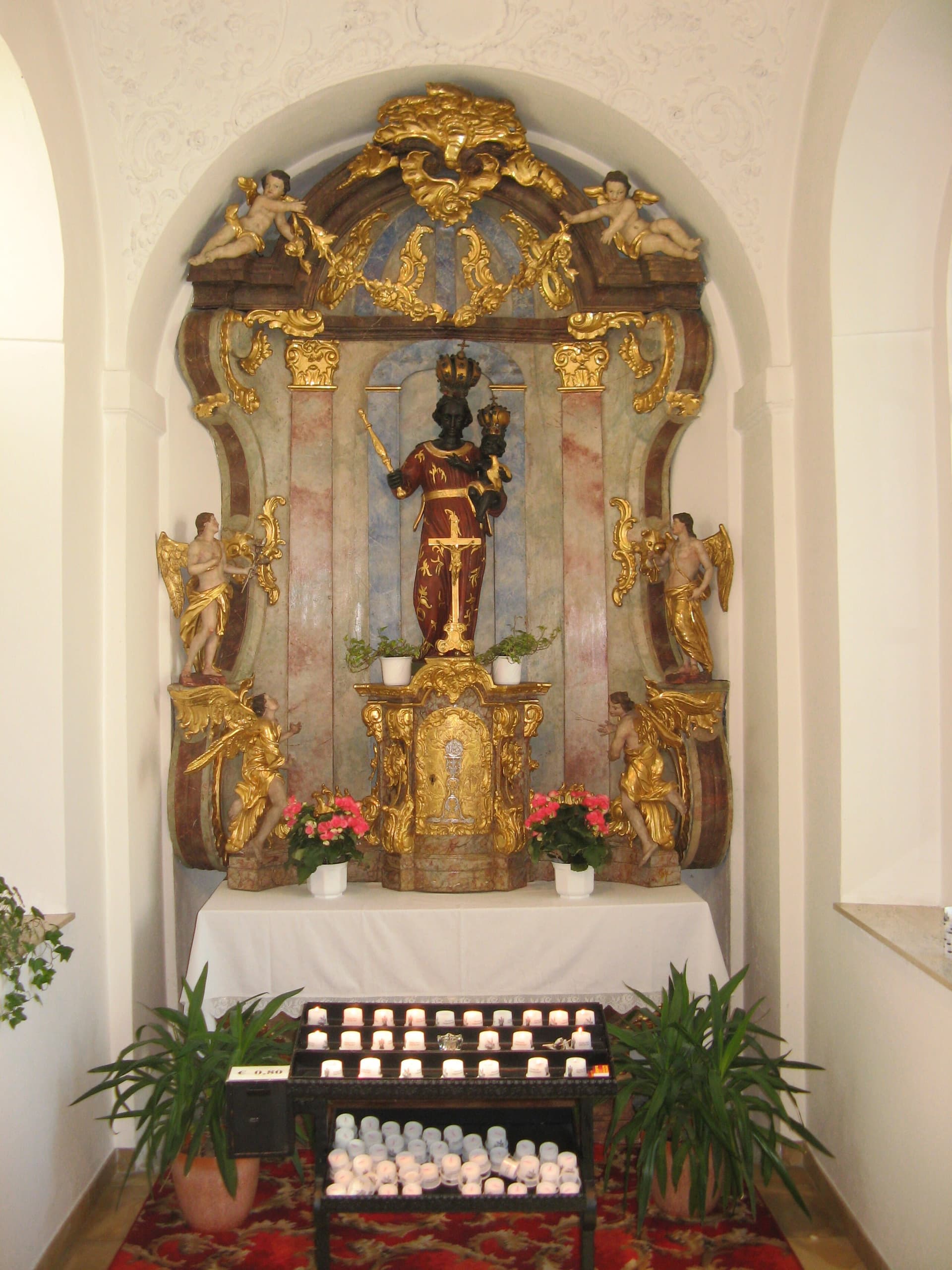
Black Madonna of Langenzersdorf
Langenzersdorf, Lower Austria, Austria
45.4 km away
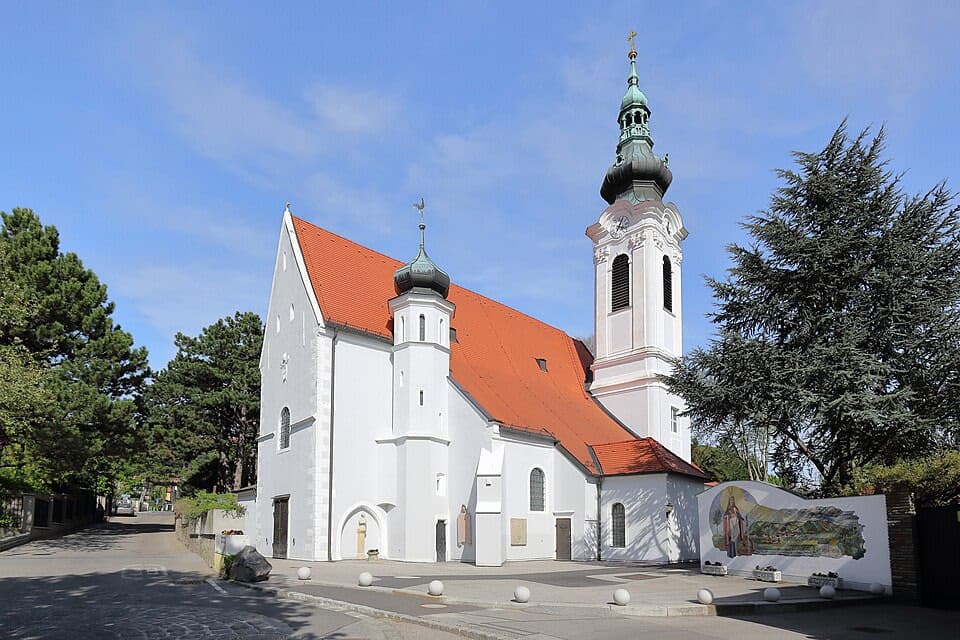
St. Katharina, Langenzersdorf
Langenzersdorf, Lower Austria, Austria
50.6 km away