
Bagan
Where a kingdom built ten thousand temples because each one accumulated merit toward enlightenment
Nyaung-U, Mandalay, Myanmar
At A Glance
- Coordinates
- 21.1680, 94.8669
- Suggested Duration
- Minimum 2-3 days. A week allows thorough exploration and the chance to encounter quieter temples. Rushing through Bagan misses the point—the experience requires time.
Pilgrim Tips
- Modest dress covering shoulders and knees. Remove shoes at all temples and stupas.
- Generally permitted outdoors and in most temple interiors. Restricted in some sacred spaces. No flash on murals. Never photograph monks or worshippers without permission.
- Political situation in Myanmar affects travel. Verify current conditions before planning. Some temples restrict access due to earthquake damage. Climbing temples may be prohibited. The heat in summer is intense. Respect active worship—do not treat temples merely as photography locations.
Overview
Bagan spreads across the central plain of Myanmar: over two thousand Buddhist temples, stupas, and monasteries surviving from a time when more than ten thousand were built. For 250 years, the kings and people of the Pagan Kingdom constructed ceaselessly, believing that each religious structure generated positive karma. The result is the largest concentration of Buddhist monuments in the world.
On a bend of the Ayeyarwady River, where the central plain of Myanmar meets the mountains, stands the visible record of a civilization devoted to enlightenment. Between the eleventh and thirteenth centuries, the Pagan Kingdom built more than ten thousand Buddhist temples, pagodas, and monasteries on this plain. Approximately two thousand survive. The motivation was doctrinal: in Buddhist understanding, constructing religious structures generates merit—positive karma that shapes future lives. A king who built a temple accumulated merit. A citizen who donated to construction shared in the karmic benefit. Generation after generation added to the sacred landscape, each monument an investment in future enlightenment. The Ananda Temple rises with four Buddha images facing the cardinal directions, eighty stone carvings depicting episodes from Buddha's life, architecture that serves as visual dharma. The Dhammayangyi Temple looms largest of all, built perhaps in atonement for regicide, its precision such that paper cannot fit between its bricks. The Shwezigon Pagoda, gold-covered and gleaming, enshrines relics of the Buddha himself. Today pilgrims still come, monks still meditate in the monasteries, and visitors encounter what happens when a society organizes its resources around the pursuit of liberation.
Context And Lineage
The Pagan Kingdom adopted Theravada Buddhism in the 11th century and spent 250 years building the largest concentration of Buddhist monuments in the world. Construction was religious practice: merit-making manifest in brick and plaster.
King Anawrahta unified the regions that would become Myanmar in the mid-eleventh century. Under the influence of Mon Theravada Buddhism, he adopted the school as the state religion, seeing it as a means of cultural unification and spiritual benefit. The king's conversion launched an era of construction that would last 250 years. Anawrahta built the Shwezigon Pagoda to enshrine relics of the Buddha. His successor Kyansittha built the elegant Ananda Temple, with its four Buddha images and carved stone teachings. Later kings added their own monuments. The wealthy built temples; the less wealthy donated to construction and shared in the merit. The motivation was not merely political—though temples demonstrated royal legitimacy—but spiritual. Buddhist doctrine taught that building religious structures generated positive karma. A temple was an investment in future enlightenment, an insurance policy for the next life. The Mongol invasion of 1287 ended the Pagan Kingdom, but the temples remained. Pilgrimage continued. Today, approximately 2,200 monuments survive from an original count exceeding 10,000.
Pyu civilization predecessors. Pagan Kingdom founding 9th century. Theravada adoption under Anawrahta mid-11th century. 250 years of construction. Mongol invasion 1287. Continued pilgrimage through subsequent centuries. British colonial period. Independence. UNESCO inscription 2019. Ongoing challenges from earthquakes and political situation.
King Anawrahta
Founder of the temple-building tradition
King Kyansittha
Builder of the Ananda Temple
King Narathu
Builder of the Dhammayangyi Temple
Why This Place Is Sacred
Bagan's thinness lies in accumulated intention: thousands of structures built not for political power alone but for karmic benefit, each one an expression of the belief that actions in this life shape the next.
What makes Bagan thin is the accumulation of intention. Each temple represents a decision to invest resources in spiritual benefit rather than temporal gain. The doctrine of merit-making transformed construction into religious practice: to build a temple was to generate positive karma that would carry into future lives. Multiply this intention by thousands of structures, by 250 years of building, by countless donors great and small, and the result is a landscape saturated with directed devotion. The temples are not merely architecture but stored aspiration—the hope of medieval Buddhists that their construction work would draw them closer to enlightenment. The Shwezigon Pagoda adds the presence of relics: physical remains of the Buddha around which the stupa was built. The Ananda Temple adds teaching: its stone carvings present the Buddha's life in visual form, offering dharma to all who enter. The cumulative effect is a place where the physical landscape and the spiritual aspiration have become inseparable. Walking among the temples, entering the darkened spaces where Buddha images gaze with serene equanimity, the visitor encounters what it means when a culture takes enlightenment seriously.
Expression of Theravada Buddhist devotion and merit-making. Royal patronage demonstrating legitimacy through religious construction. Teaching tool for dharma propagation. Monastic centers for meditation and study.
City founded 9th century CE. Major construction under Anawrahta and successors 11th-13th centuries. Mongol invasion 1287 ended the kingdom. Pilgrimage continued. Earthquakes (1975, 2016, 2025) caused damage. UNESCO inscription 2019. Remains active pilgrimage destination amid political challenges.
Traditions And Practice
Buddhist pilgrimage, circumambulation of stupas, offerings at Buddha images, meditation in temple compounds, and the continuing tradition of merit-making through donation to temple maintenance.
Royal patronage of temple construction as merit-making. Mass construction projects involving the entire kingdom. Pilgrimage to major temples and stupas. Circumambulation. Meditation in monastic settings. Offerings of flowers, incense, and food. Nat (spirit) worship at integrated shrines.
Buddhist pilgrimage continues, especially to the Shwezigon Pagoda and Ananda Temple. Monks maintain monasteries within the zone. Devotees make offerings and circumambulate stupas. Donations for temple restoration and maintenance continue the merit-making tradition. Annual festivals at major temples draw large crowds.
Rise early for sunrise over the temples—not for photography but for contemplation of light revealing accumulated devotion. Visit the Ananda Temple and study the stone carvings depicting Buddha's life. Enter the Dhammayangyi and feel its massive, somewhat ominous presence. At the Shwezigon Pagoda, observe pilgrims circumambulating the stupa and, if inclined, join them in mindful walking. Find a quiet temple away from the main sites and sit in meditation. The temples were built for this—not for tourism but for practice. Even a few minutes of stillness within a temple continues the intention with which it was built.
Theravada Buddhism
ActiveKing Anawrahta adopted Theravada Buddhism as the state religion in the 11th century, launching the era of temple construction. The doctrine of merit-making—the belief that building religious structures generates positive karma—drove the creation of over 10,000 monuments. Theravada remains the dominant form of Buddhism in Myanmar, and Bagan remains a major pilgrimage destination. The monasteries within the zone continue to house monks who practice the same tradition.
Pilgrimage to major temples and stupas. Circumambulation. Offerings of flowers, incense, food, and gold leaf. Meditation in monastic settings. Donations for temple maintenance (merit-making). Annual festivals.
Syncretic Myanmar Religion
ActiveBuddhism in Myanmar has historically coexisted with nat worship—the veneration of powerful spirits. The religion of medieval Bagan was fluid and syncretic, incorporating elements of Mahayana Buddhism, Tantric Buddhism, Hinduism, and animism alongside Theravada. This syncretism continues today, with nat shrines appearing at Buddhist temples and Mount Popa serving as a major nat pilgrimage site.
Nat offerings at designated shrines. Spirit propitiation. Integration of animist and Buddhist practices.
Experience And Perspectives
Visiting Bagan means encountering a sacred landscape where temples extend to the horizon, where sunrise and sunset illuminate ancient devotion, and where Buddhism remains a living practice.
The Bagan experience begins with scale. From a viewpoint—a temple terrace, a purpose-built platform—the eye travels across the plain and finds that temples do not end. They rise everywhere: brick stupas and whitewashed pagodas, massive temples and modest shrines, some in ruins and others gleaming with fresh gold leaf. The mind struggles to comprehend that medieval people built all this, and built it because they believed the building itself was spiritual practice. Rent an e-bike and explore the paths between monuments. Enter the Ananda Temple, where four gilded Buddha images face the cardinal directions, each representing a past Buddha. The carvings along the corridors depict eighty episodes from Buddha's life—visual teachings for those who could not read texts. Approach the Dhammayangyi Temple, the largest in Bagan, and feel its fortress-like mass. The bricks are fitted with such precision that a piece of paper cannot slip between them. The inner passages were mysteriously bricked up; no one knows why. The Shwezigon Pagoda in Nyaung-U gleams with gold, an active pilgrimage site where monks and devotees circumambulate the stupa containing Buddha relics. For sunrise and sunset, find a quiet temple—respectfully, as this is a sacred site, not merely a viewpoint. Watch the light transform the plain, the stupas becoming silhouettes, the river shining beyond. The experience is of encountering accumulated devotion on a scale that challenges comprehension.
Bagan is divided into Old Bagan (main archaeological zone), New Bagan, and Nyaung-U. The Shwezigon Pagoda is in Nyaung-U. Ananda and Dhammayangyi are in Old Bagan. E-bikes are the standard way to explore; they can be rented in Nyaung-U and New Bagan. Some temples restrict climbing. Major temples have regular visitors; smaller ones offer solitude. Allow at least 2-3 days, preferably more.
Bagan invites engagement with Buddhist devotion on an unprecedented scale, with questions of what we build and why, and with the living tradition that continues among the ancient monuments.
Historians and archaeologists recognize Bagan as one of the most important Buddhist sites in the world. The scale of construction documents the religious culture of the Pagan Kingdom and the spread of Theravada Buddhism through Southeast Asia. UNESCO inscription acknowledges outstanding universal value. Preservation presents challenges: earthquake damage (1975, 2016, 2025) and controversial restoration methods by Myanmar's government have been criticized by archaeologists concerned with authenticity.
For Myanmar Buddhists, Bagan is sacred ground where the dharma was established and propagated. Pilgrimage here generates merit. The temples are not archaeological remnants but living sacred spaces where Buddha's presence continues through images and relics. The Shwezigon Pagoda's relics make it particularly holy. The tradition of merit-making through construction and donation continues today.
Some visitors approach Bagan seeking meditation retreat, energy work, or spiritual experience beyond standard tourism. These engagements may be sincere but represent contemporary interests rather than traditional Buddhist practice. Commercial meditation programs may or may not have authentic connection to Myanmar Buddhism.
Why were the inner passages of Dhammayangyi bricked up? What was the full extent of Tantric and Mahayana practice alongside Theravada? How did nat worship integrate with Buddhist practice in the Pagan period? What explains the extreme precision of some temple construction, such as Dhammayangyi's brickwork?
Visit Planning
Bagan is in central Myanmar, accessible by domestic flights, buses, and boats. The cool dry season (November-February) is best. Allow at least 2-3 days. Verify travel conditions before planning.
Range from budget guesthouses in Nyaung-U to luxury resorts in Old Bagan. New Bagan offers mid-range options. Book ahead in peak season (November-February).
Remove shoes before entering temples. Dress modestly. Do not point feet at Buddha images or touch them. Respect monks and worshippers. Photography restrictions may apply.
Bagan is a living sacred site where Buddhism is actively practiced. Visitors should approach with genuine respect rather than treating the temples as merely photogenic ruins. Remove shoes before entering any temple or stupa compound—this is universal and non-negotiable. Dress modestly, covering shoulders and knees. Never point feet at Buddha images; when sitting, tuck feet beneath you or to the side. Do not touch Buddha images. Do not climb on monuments. Respect monks by giving them space and priority; if wishing to offer alms, do so early in the morning when monks collect food. During prayers or ceremonies, observe silently or withdraw. Photography is generally permitted but may be restricted in certain spaces; never use flash on murals. Do not obstruct or disturb worshippers for photographs.
Modest dress covering shoulders and knees. Remove shoes at all temples and stupas.
Generally permitted outdoors and in most temple interiors. Restricted in some sacred spaces. No flash on murals. Never photograph monks or worshippers without permission.
Flowers, incense, candles, and gold leaf can be purchased near major temples to offer at Buddha images.
Remove shoes. Cover shoulders and knees. Do not point feet at Buddha images. Do not touch images. Do not climb monuments. Some temples restrict access due to safety concerns.
Sacred Cluster
Nearby sacred places create the location cluster described in the growth plan. This block is intentionally crawlable and links into the wider regional graph.
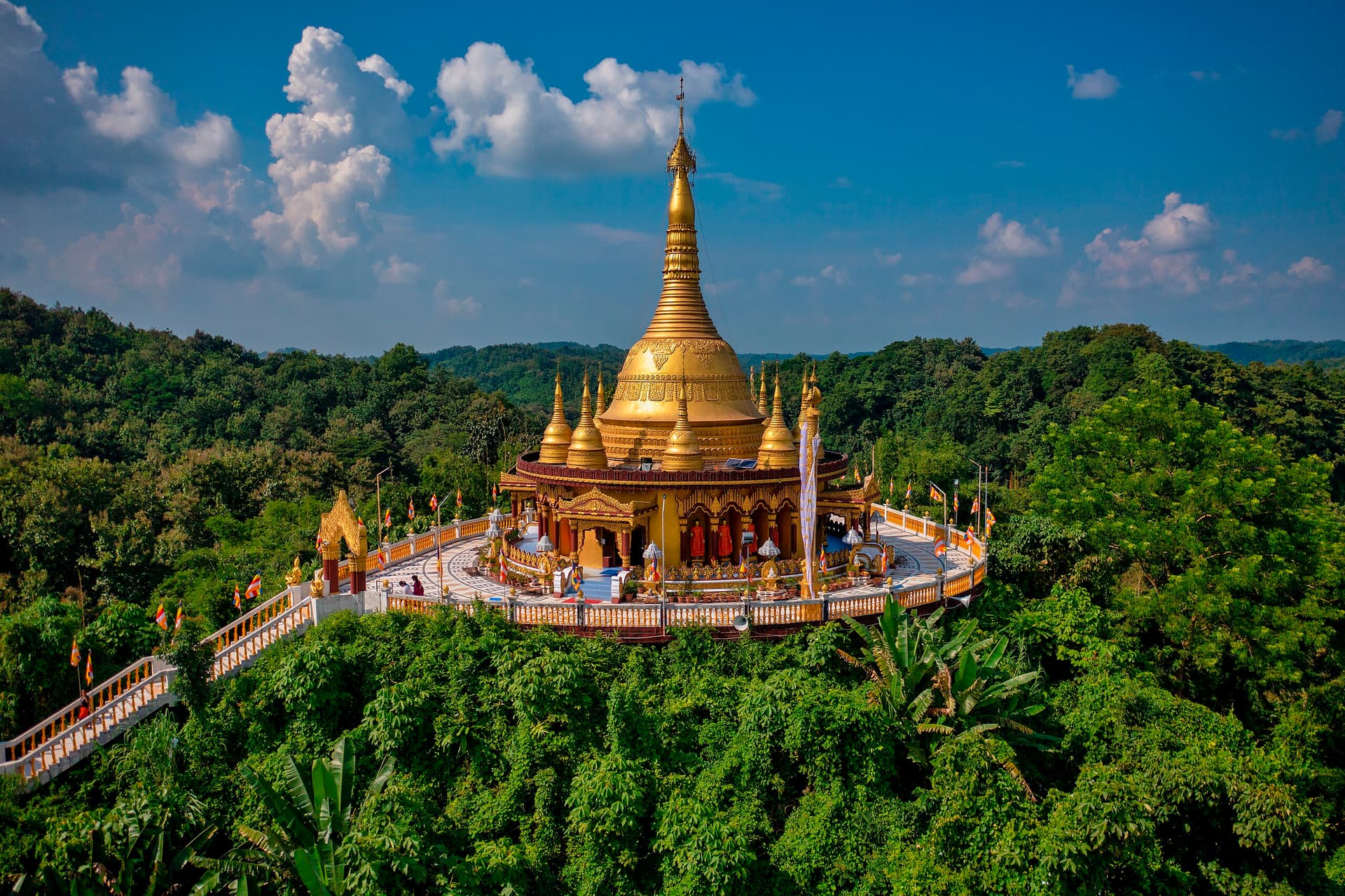
Buddha Dhatu Jadi
Bandarban, Chittagong Division, Bangladesh
299.7 km away
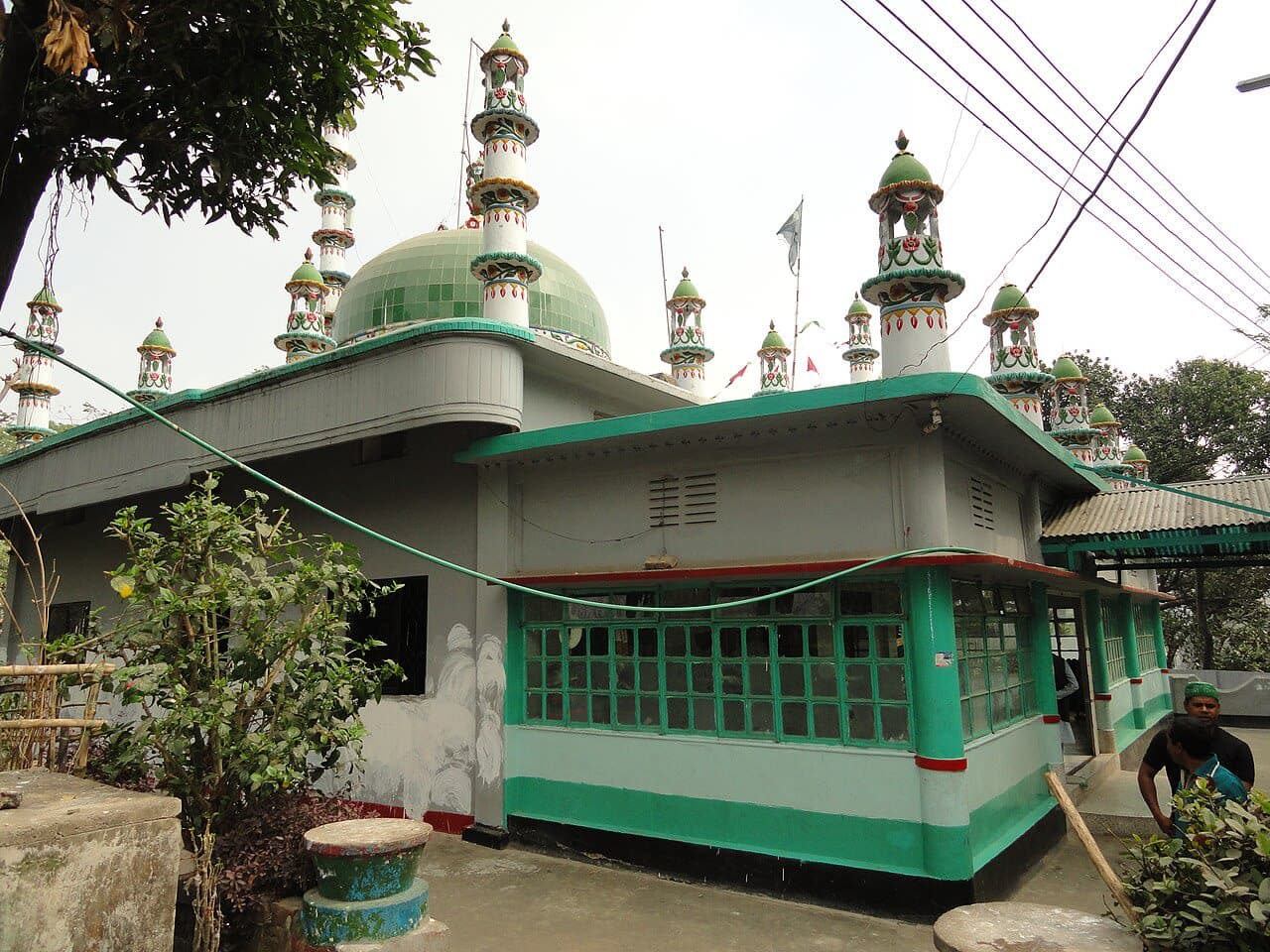
Bayazid Bostami
Bayejid Bostami, Chittagong Division, Bangladesh
343.7 km away
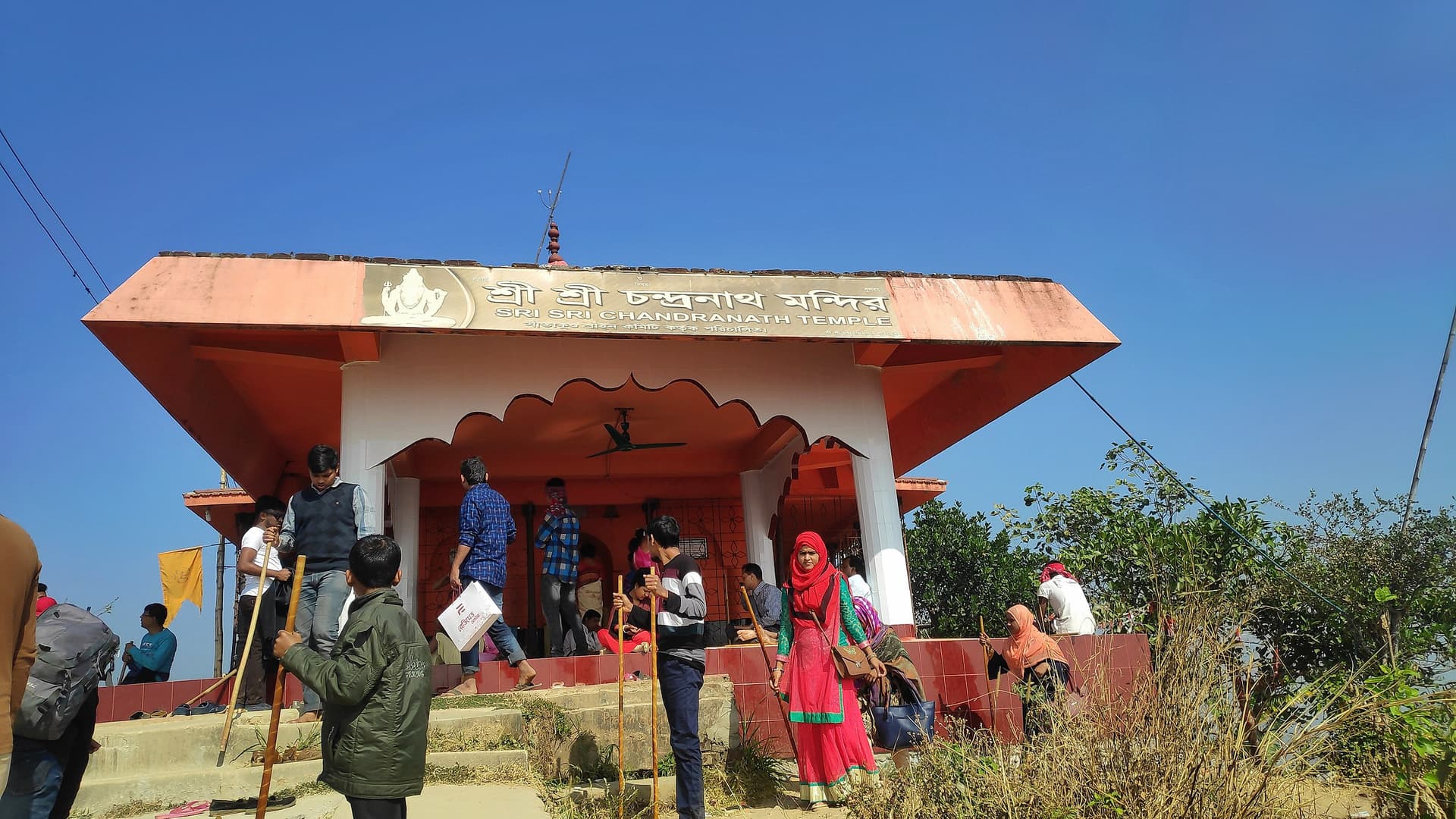
Chandranath Shaktipeeth Temple
Sitakunda, Chittagong Division, Bangladesh
366.5 km away
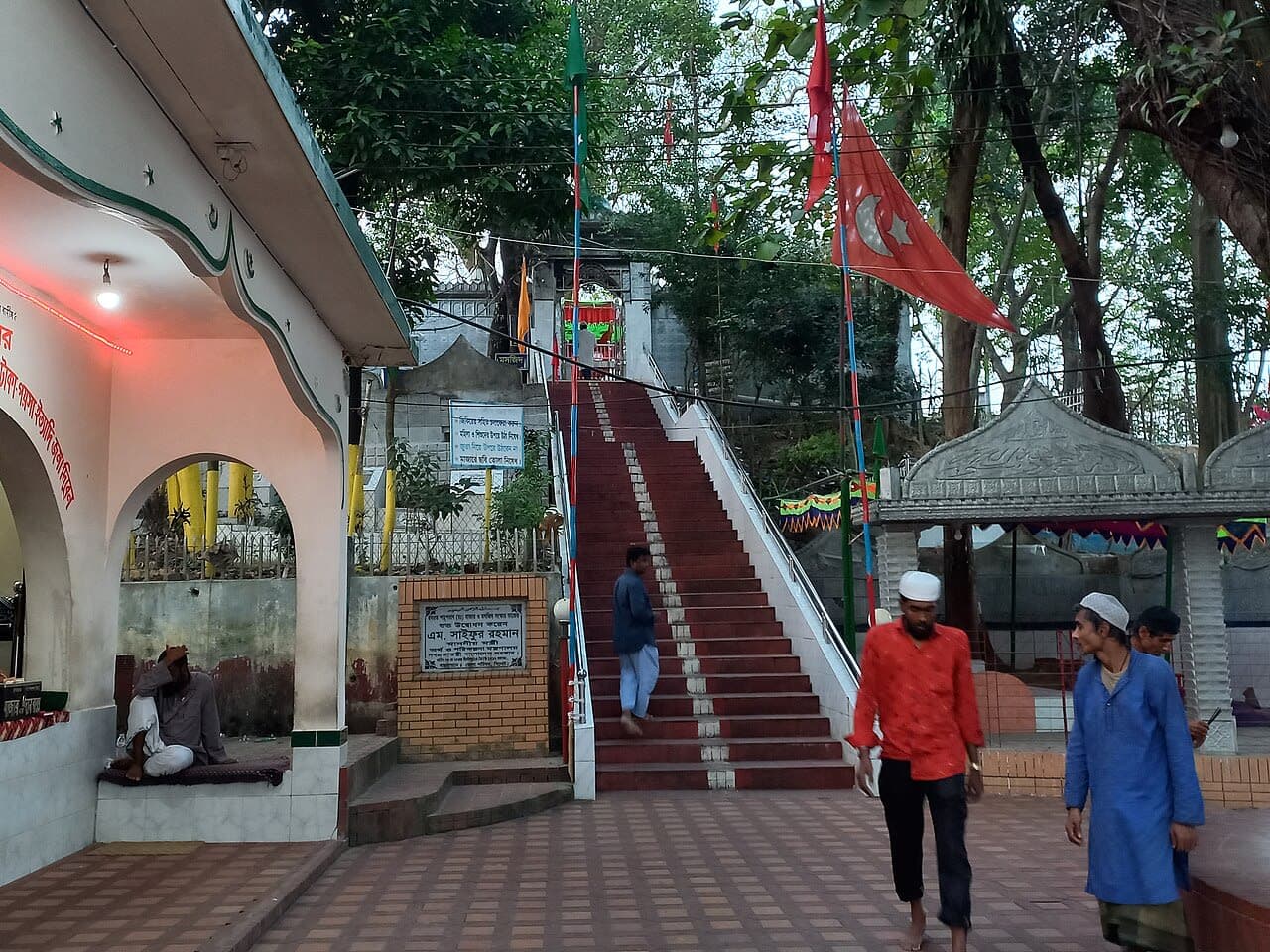
Sylhet; Shrine of Hazrat Shah Paran
Sylhet, Sylhet Division, Bangladesh
512.6 km away