UNESCOChristianity
Abu Mena
Izbat Muhammad Farid, Alexandria, Egypt
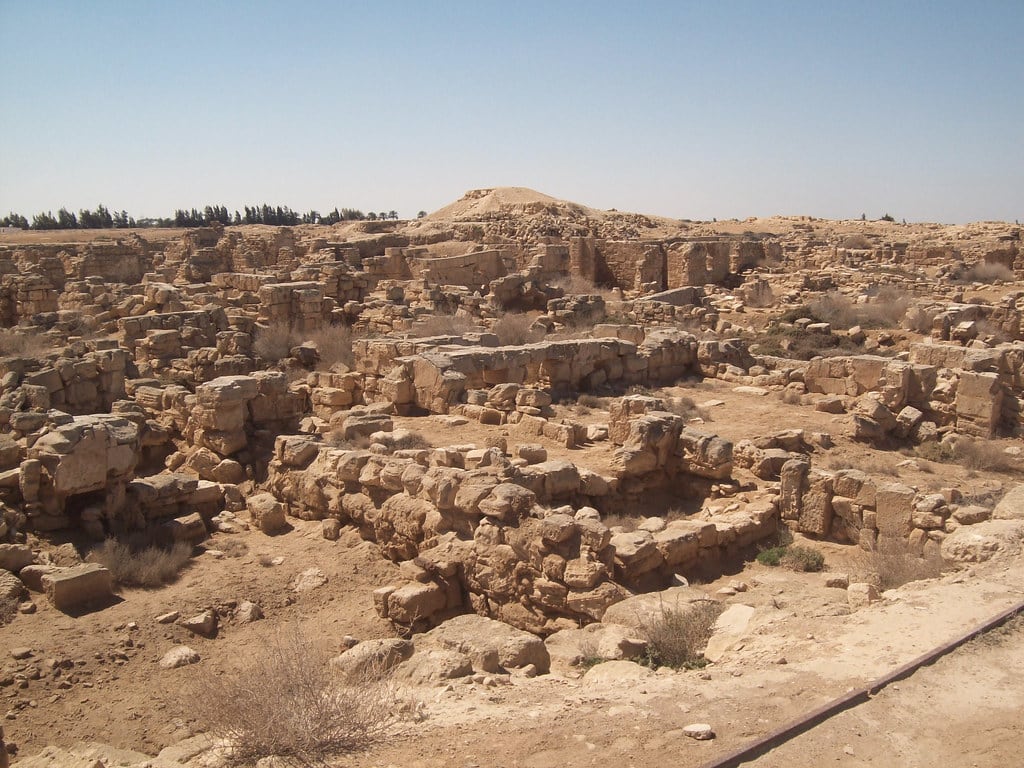
Abu Mena is a monastery complex of sacred significance. Approximate coordinates: 30.85156, 29.66615. Attributes: built, cultural, archaeological, pilgrimage. Tradition: Christianity. Associated figure: St. Menas of Alexandria. Recognized as a UNESCO World Heritage Site. Abu Mena (also spelled Abu Mina; Coptic: ⲁⲃⲃⲁ ⲙⲏⲛⲁ; Arabic: أبو مينا, romanized: Abū Mīnā pronounced [æbuˈmæyːnæ]) was a town, monastery complex and Christian pilgrimage centre in Late Antique Egypt, about 50 km (31 mi) southwest of Alexandria, near New Borg El Arab city. Its remains were designated a World Heritage Site in 1979 for the site s importance in early Christianity. There are very few standing remains, but the foundations of most major buildings, such as the great basilica, are easily discernible. Recent agricultural efforts in the area have led to a significant rise in the water table, which has caused a number of the site s buildings to collapse or become unstable. The site was added to the List of World Heritage in Danger in 2001. Authorities were forced to place sand in the bases of buildings that are most endangered in the site.