Country guide
Australia
9 sacred sites across 5 regions.
Traditions present in Australia
Prominent site types
New South Wales
3 sites
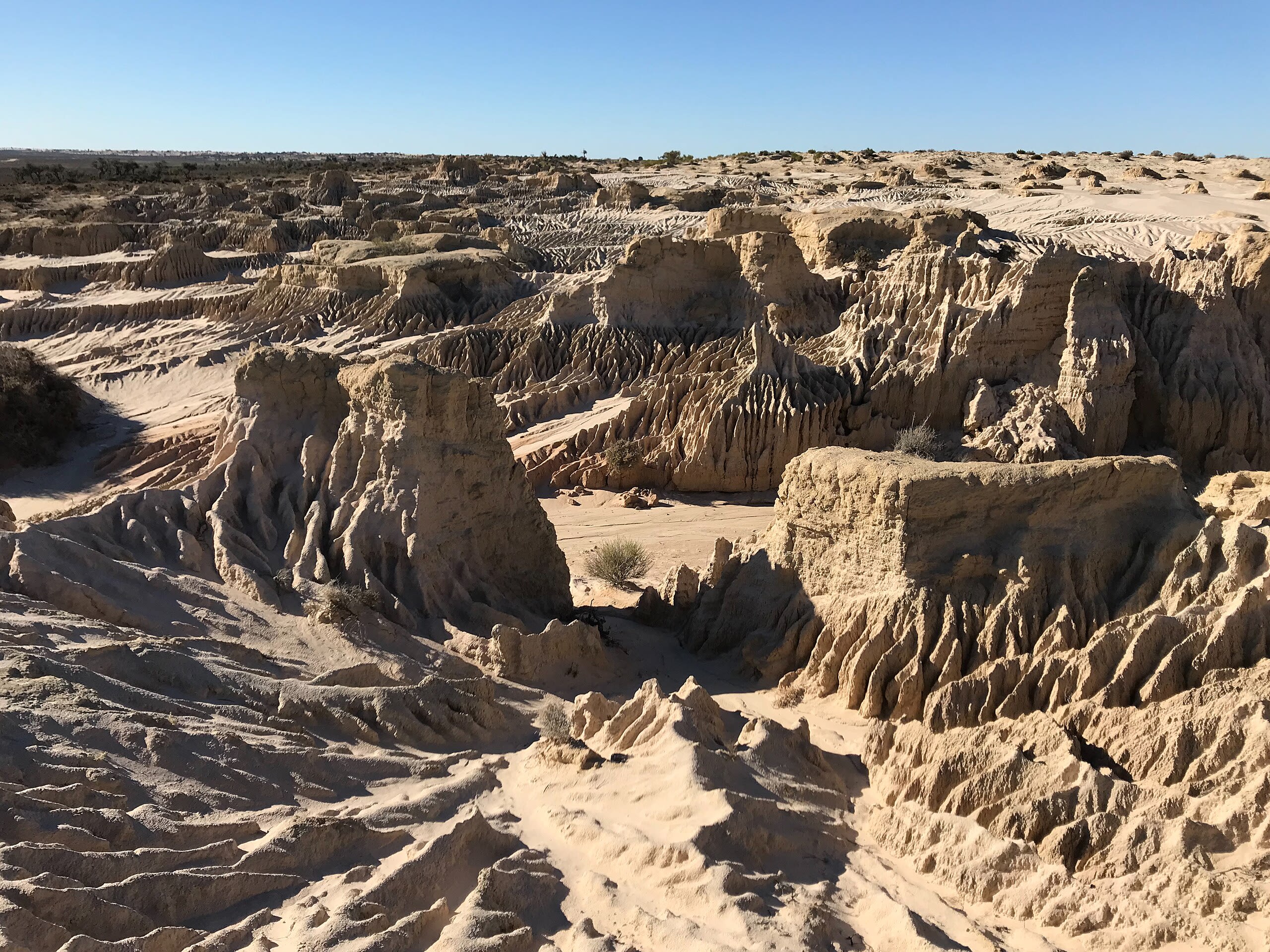
Lake Mungo
Willandra Lakes, New South Wales, Australia
Lake Mungo is a lake of sacred significance. Approximate coordinates: -33.72337, 143.05664. Attributes: natural, cultural, archaeological, ceremonial. Tradition: Indigenous Australian. Recognized as a UNESCO World Heritage Site. Lake Mungo is a dry lake located in New South Wales, Australia. It is about 760 km (472 miles) due west of Sydney and 90 km (56 miles) north-east of Mildura. The lake is the central feature of Mungo National Park, and is one of seventeen lakes in the World Heritage listed Willandra Lakes Region. Many important archaeological findings have been made at the lake, most significantly the discovery of the remains of Mungo Man, the oldest human remains found in Australia, Mungo Woman, the oldest human remains in the world to be ritually cremated and as the location of the Lake Mungo geomagnetic excursion, the first convincing evidence that Geomagnetic excursions are a geomagnetic phenomenon rather than sedimentological. Located in New South Wales, Australia.

Mount Wollumbin
Tweed Shire Council, New South Wales, Australia
Mount Wollumbin is a site of sacred significance. Approximate coordinates: -28.39276, 153.27121. Located in Tweed Shire Council, New South Wales, Australia.

Worimi Conservation Lands
Nelson Bay, New South Wales, Australia
Worimi Conservation Lands is a site of sacred significance. Approximate coordinates: -32.71894, 152.14285. The Worimi conservation lands are located on and adjacent to Stockton Beach in New South Wales, Australia. They were created in February 2007 when Crown land at Stockton Bight was granted to the Worimi Local Aboriginal Land Council. The lands were then leased back to the NSW Government as three conservation reserves covering an area of 4,436 ha (10,962 acres). Day-to-day management of the Worimi conservation lands is undertaken by the NSW National Parks & Wildlife Service. Located in Port Stephens Council, New South Wales, Australia.
Queensland
1 sites
South Australia
1 sites

Victoria
1 sites
Other
3 sites
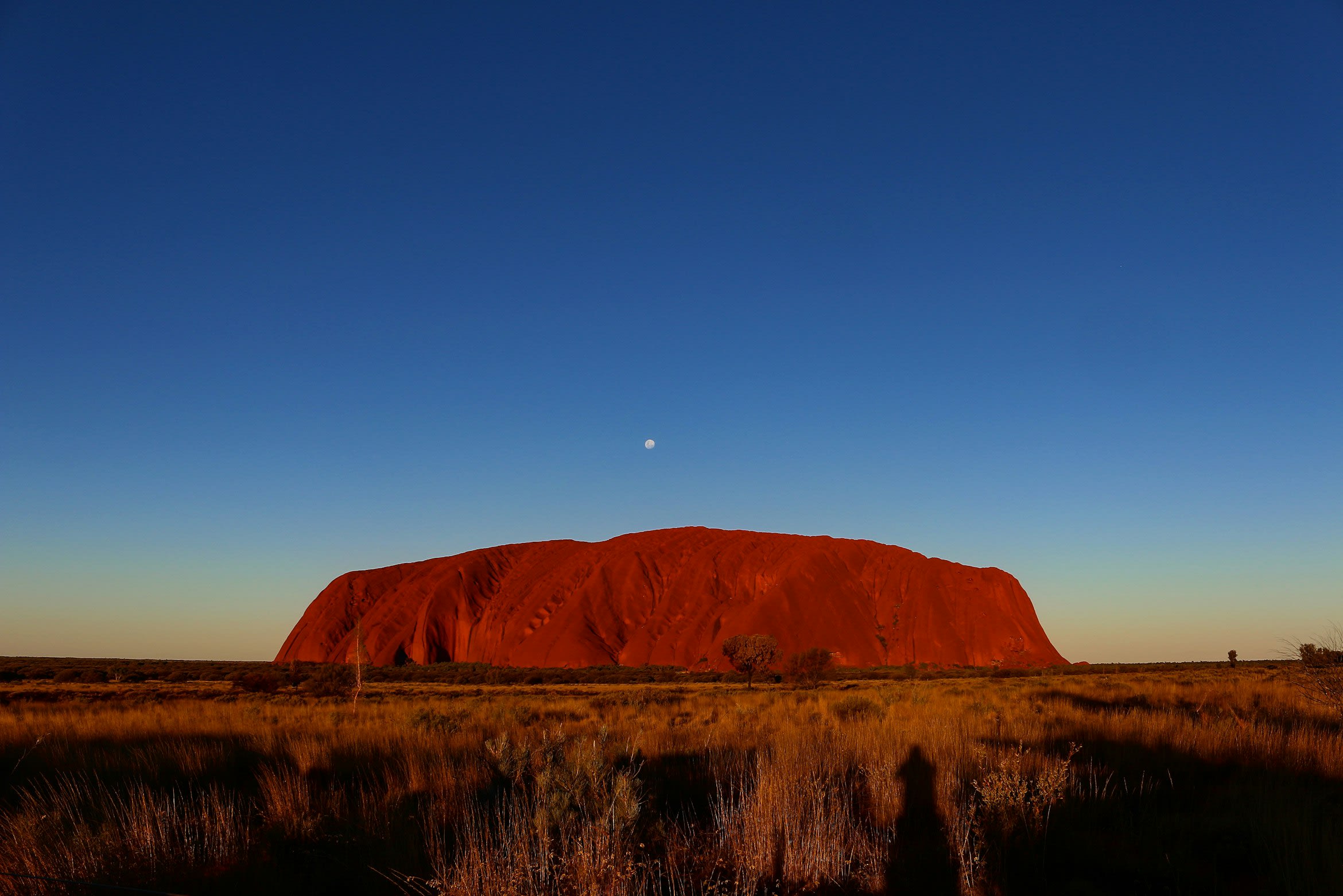
Ayers Rock (Uluru)
Macdonnell Region, Australia
Ayers Rock (Uluru) is a aboriginal sacred site of sacred significance. Approximate coordinates: -25.34453, 131.03643. Attributes: natural, cultural. Tradition: Aboriginal. Mythological context: Aboriginal mythology. Recognized as a UNESCO World Heritage Site. Located in Macdonnell Region, Australia.
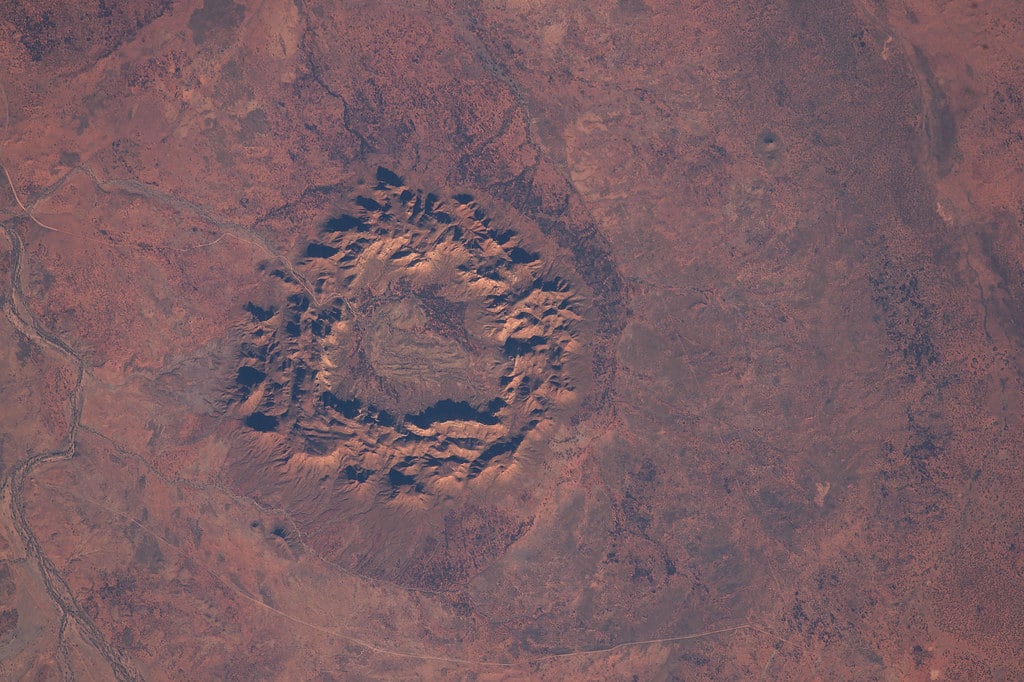
Gosses Bluff Crater, Australia
Macdonnell Region, Australia
Gosses Bluff Crater, Australia is a conservation reserve of sacred significance. Approximate coordinates: -23.81908, 132.30686. Attributes: natural, cultural. Located in Macdonnell Region, Australia.
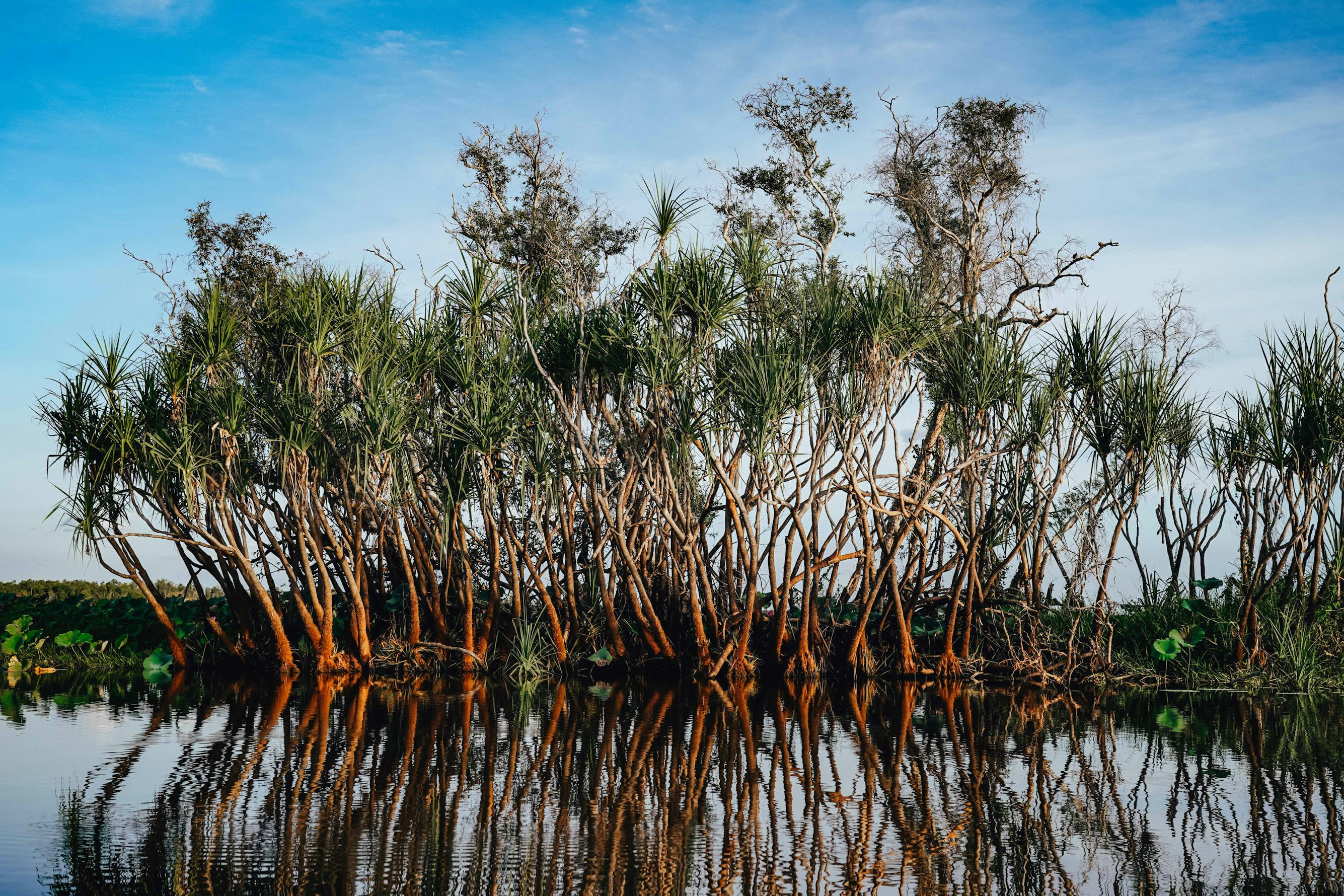
Kakadu National Park
West Arnhem Region, Australia
Kakadu National Park is a national park of sacred significance. Approximate coordinates: -13.09229, 132.39377. Attributes: natural, cultural, archaeological. Tradition: Aboriginal. Recognized as a UNESCO World Heritage Site. Kakadu National Park is a protected area in the Northern Territory of Australia, 171 km (106 mi) southeast of Darwin. It is a World Heritage Site. Kakadu is also gazetted as a locality, covering the same area as the national park, with 313 people recorded living there in the 2016 Australian census. Kakadu National Park is located within the Alligator Rivers Region of the Northern Territory, covering an area of 19,804 km2 (7,646 sq mi), extending nearly 200 kilometres (124 mi) from north to south and over 100 kilometres (62 mi) from east to west. It is roughly the size of Wales or one-third the size of Tasmania, and is the second-largest national park in Australia, after the Munga-Thirri–Simpson Desert National Park. Most of the region is owned by the Aboriginal traditional owners, who have occupied the land for around 60,000 years and, today, manage the park jointly with Parks Australia. It is highly ecologically and biologically diverse, hosting a wide range of habitats and flora and fauna. It also includes a rich heritage of Aboriginal rock art, including highly significant sites, such as Ubirr. Kakadu is fully protected by the EPBC Act. The Ranger Uranium Mine site, one of the most productive uranium mines in the world until it ceased operations in January 2021, is surrounded by the park. Domestic Asian water buffalo, which are now an established feral population and invasive environmental pests, were released into the area in the late 19th century. Feral pigs, cats, red foxes and rabbits are further examples of invasive species, all of which compete with and wreak havoc upon the sensitive, unique ecosystems of the Northern Territory, and of the whole of Australia. These species were intentionally brought to the continent by the early settlers, pastoralists, and missionaries. The European presence, albeit less than in more populated regions (on the east and west coasts), was still felt. In Kakadu, missionaries established a mission at Oenpelli (present-day Gunbalanya) in 1925. A few pastoralists, crocodile-hunters and wood cutters also made a living in the area at various times up until the early 20th century. The area was progressively given protected status from the 1970s onward. Located in West Arnhem Region, Australia.