Croatia
Krapinsko-zagorska županija
1 site
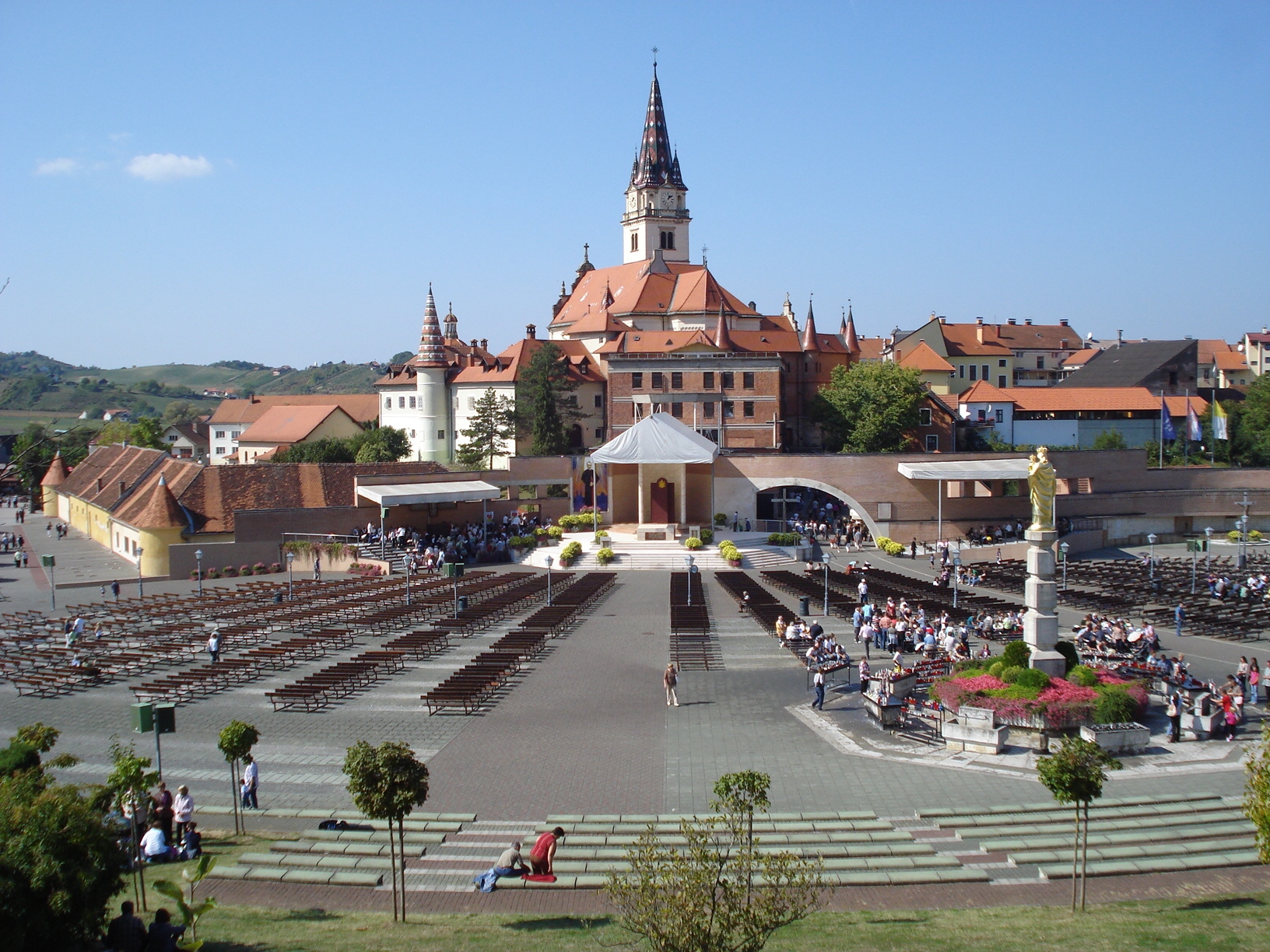
Marija Bistrica
Marija Bistrica (Croatian pronunciation: [mǎrija bîstrit͡sa]) is a village and municipality in the Krapina-Zagorje County in central Croatia, located on the slopes of the Medvednica mountain in the Hrvatsko Zagorje region north of the capital Zagreb. The municipality has 5,976 inhabitants, with 1,071 residents in the settlement itself (2011 census). Marija Bistrica has an old Marian shrine of the Black Madonna which is a place of pilgrimage and visited by hundreds of thousands of pilgrims every year. On 3 October 1998, Pope John Paul II visited Marija Bistrica and beatified Croatian Cardinal Aloysius Stepinac in front of a crowd of 500,000 Croatians.
Ličko-senjska županija
1 site

Krasno
Krasno may refer to: Krasno, Croatia, a village near Senj Krasno, Russia, a village (selo) in Nizhny Novgorod Oblast, Russia Krasno, Slovenia, a village in the municipality of Brda Krásno (Sokolov District), a town in the Karlovy Vary Region, Czech Republic Krásno nad Bečvou, an administrative part of Valašské Meziříčí in the Zlín Region, Czech Republic Krásno, Partizánske District, a municipality and village in the Trenčín Region, Slovakia Krásno nad Kysucou, a town in the Žilina Region, Slovakia
Primorsko-goranska županija
1 site

Rijeka
Rijeka{{efn|Croatian: [rijěːka] ; Fiume ([ˈfjuːme]) in Italian and in Fiuman Venetian is the principal seaport and the third-largest city in Croatia. It is located in Primorje-Gorski Kotar County on Kvarner Bay, an inlet of the Adriatic Sea and in 2021 had a population of 107,964 inhabitants. Historically, because of its strategic position and its excellent deep-water port, the city was fiercely contested, especially between the Holy Roman Empire, Venice, Italy and Yugoslavia, changing rulers and demographics many times over centuries. According to the 2011 census data, 85% of its citizens are Croats, along with small numbers of Serbs, Bosniaks and Italians. Rijeka is the main city and county seat of the Primorje-Gorski Kotar County. The city's economy largely depends on shipbuilding (shipyards "3. Maj" and "Viktor Lenac Shipyard") and maritime transport. Rijeka hosts the Croatian National Theatre Ivan pl. Zajc, first built in 1765, as well as the University of Rijeka, founded in 1973 but with roots dating back to 1632 and the local Jesuit School of Theology. Linguistically, apart from Croatian and Italian, the city is home to its own unique dialect of the Venetian language, Fiuman, with an estimated 20,000 speakers among the local Italians, Croats and other minorities. Historically, Fiuman served as the main lingua franca among the many ethnicities inhabiting the multi-ethnic port city. In certain suburbs of the modern extended municipality the autochthonous population still speaks Chakavian, a dialect of Croatian. In 2016, Rijeka was selected as the European Capital of Culture for 2020, alongside Galway, Ireland.
Other
2 sites
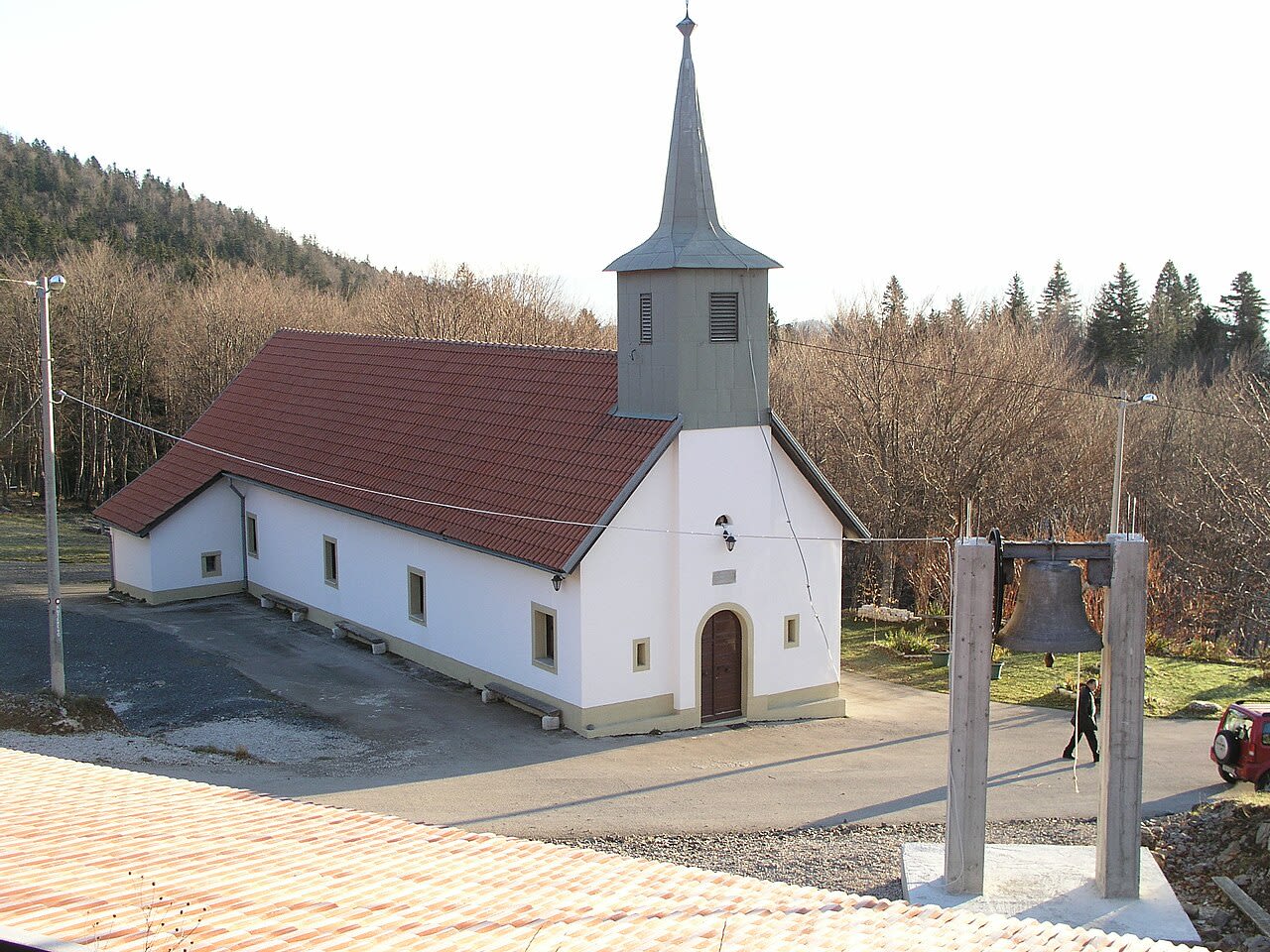
Church of Our Lady of Krasno
Church of Our Lady of Krasno in Krasno, , Croatia.
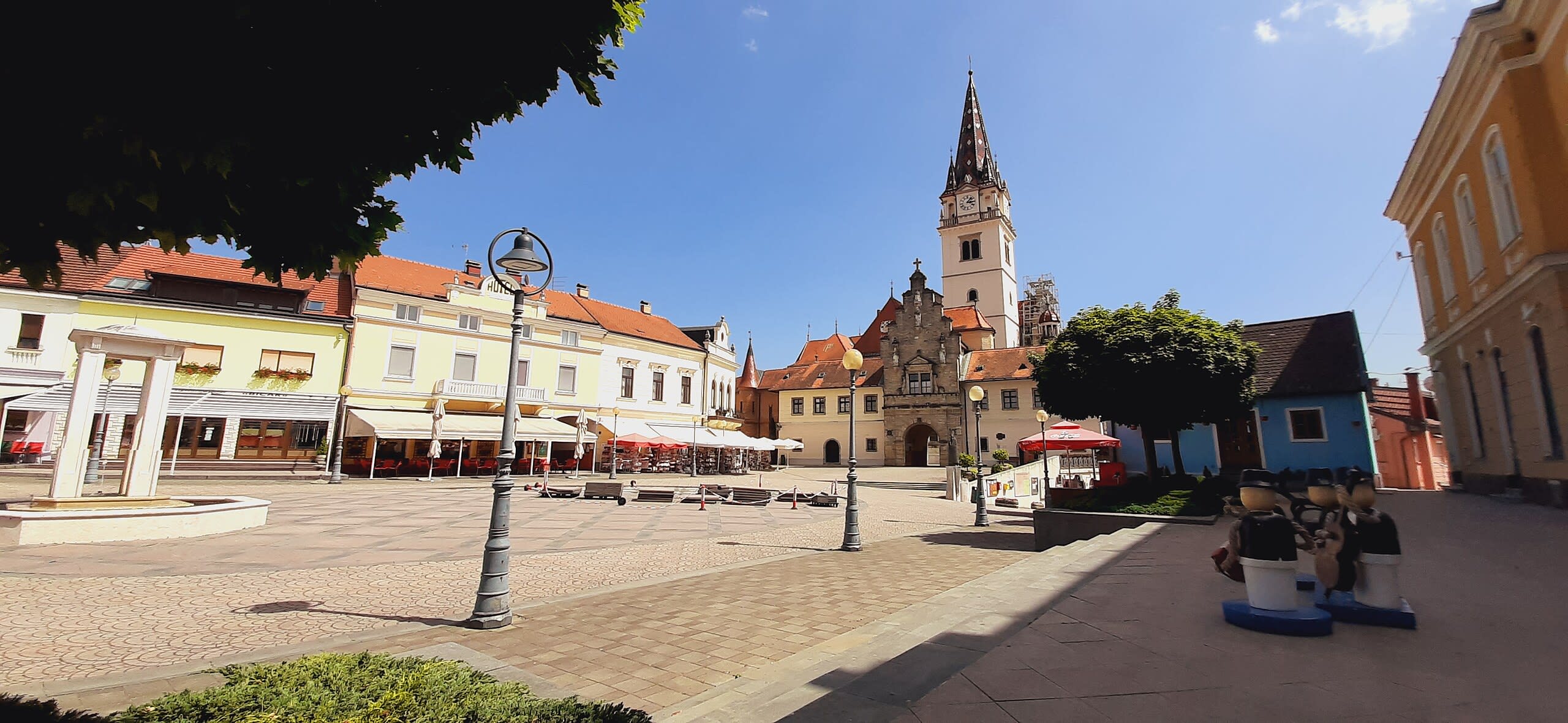
Church of the Assumption of the Blessed Virgin Mary
Church of the Assumption of the Blessed Virgin Mary in Marija Bistrica, , Croatia.